Founded in 1949, John Holland is a leading engineering, contracting, and service provider operating across Australia and New Zealand, ranging from some of the most hostile and remote environments to the most densely populated urban centers. John Holland prides itself on finding innovative solutions to complex problems.
From infrastructure to rail and building, John Holland projects generally involve the movement of tens of thousands of metric tonnes of spoil throughout the lifetime of each project.
Any excess dirt, soil, or rubble that is contaminated or unfit to be re-used is defined as spoil/waste. Spoil/waste must be removed from the worksite and disposed of correctly. The correct disposal of spoil/waste is heavily regulated within jurisdictions John Holland operates to ensure these materials (sometimes contaminated) are not illegally disposed of.
“Conventional processes for spoil tracking are labor-intensive, time-consuming and carry with them considerable risks of delay, overcharging, illegal spoil dumping, and missed spoil re-use opportunities,” says Fazil Hassan, Digital Development, John Holland.
The process requires the manual recording of thousands of records to track:
- Spoil category
- Transport of spoil from origin to an approved disposal site
- Authentication of lawful transport operators
- Verification of lawful disposal locations
- Reporting of regulatory compliance
Optimizing Spoil Tracking with IoT
The resource-intensive and human error-prone process of spoil tracking prompted John Holland to develop SpoilTRAC, an IoT system designed specifically for the unique requirements of John Holland projects.
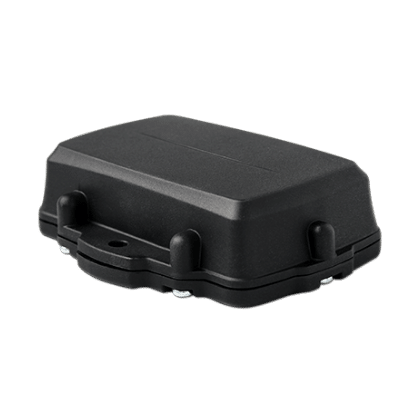
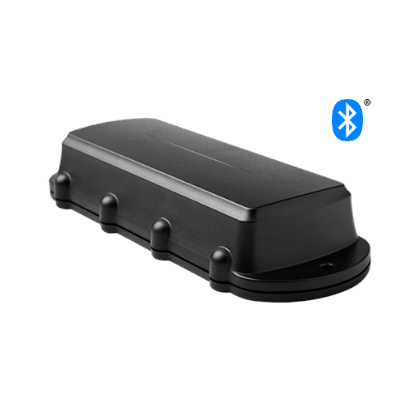
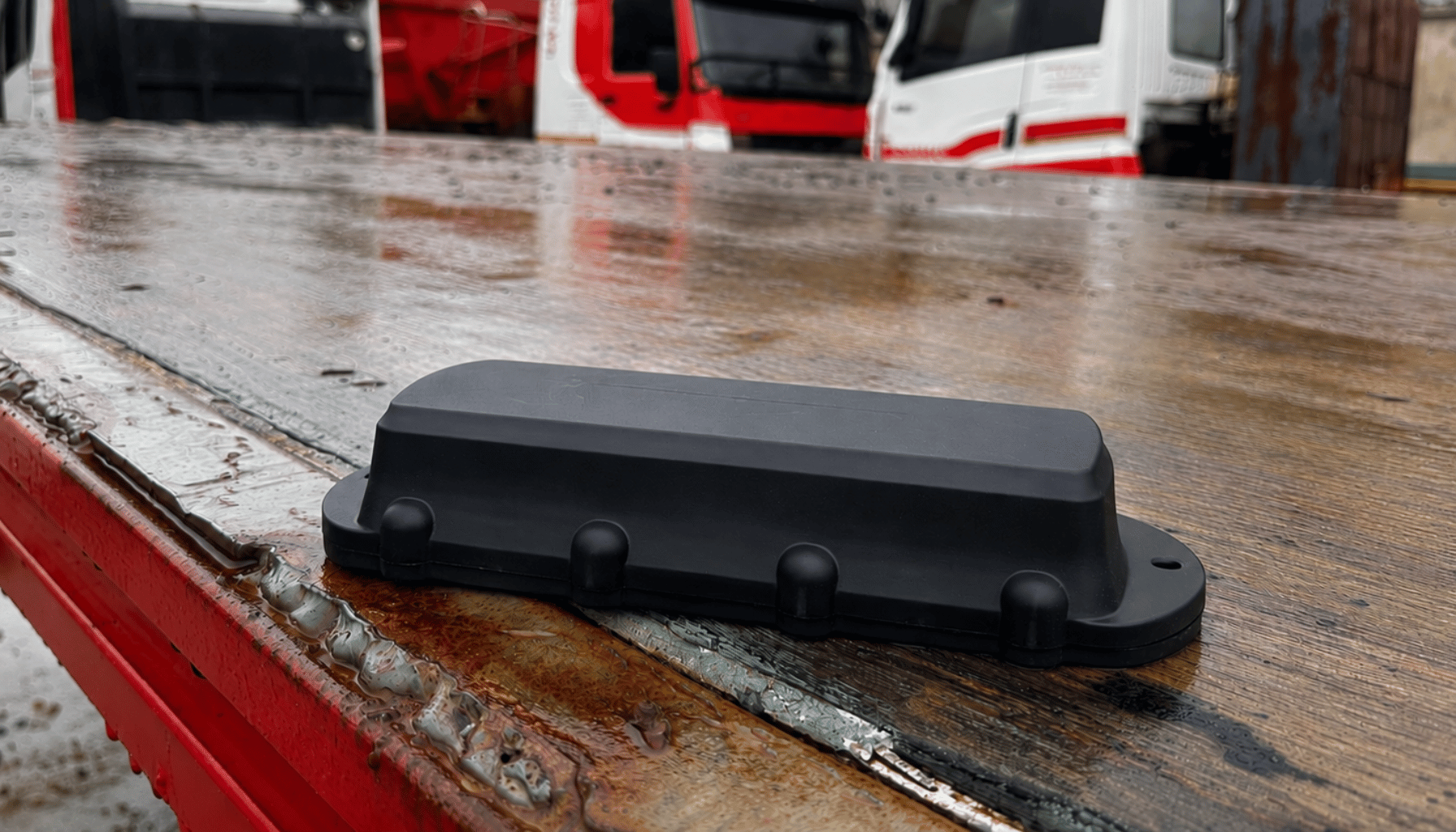
Utilizing the Remora and Oyster battery-powered GPS asset tracking devices, the SpoilTRAC system tracks spoil movement from extraction to disposal efficiently and accurately in real-time.
Remora2 and Oyster3 for GPS Tracking and Tip Detection
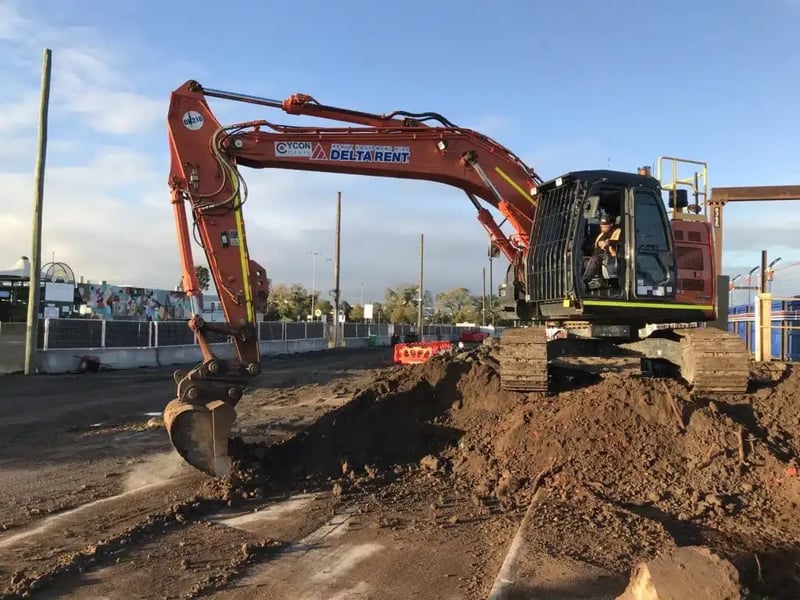
Ultra-rugged and robust in design, the battery-powered devices are mounted on heavy equipment to collect data on excavation and disposal locations.
Because the devices are generally mounted onto contractor’s equipment, John Holland required wire-free devices that were easy to install, remove, and transfer across equipment when required.
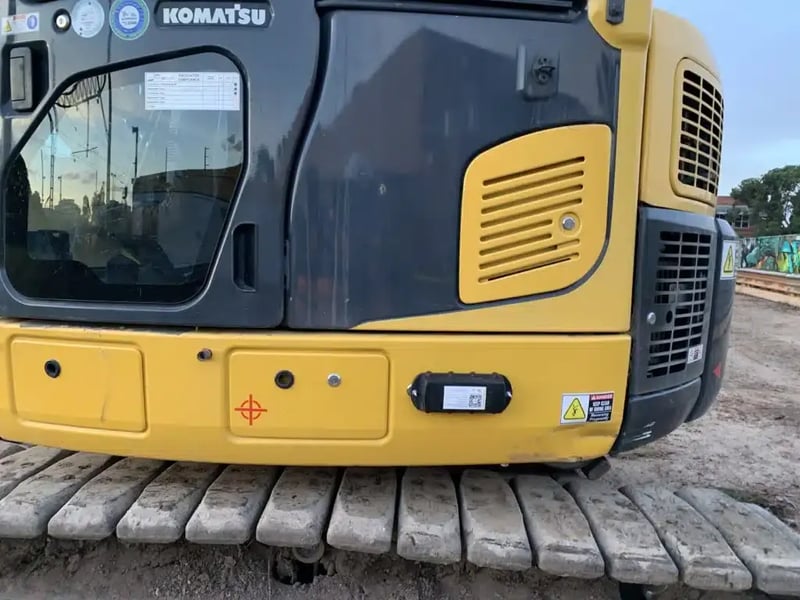
Designed for low-power operation, the Oyster and Remora utilize the latest in low-power cellular connectivity (LTE-M and NB-IoT) and a range of intelligent power management features to significantly reduce battery changes and operating costs. In addition, the devices feature built-in battery life monitoring to alert John Holland when batteries are low or critically low, ensuring no data is lost.
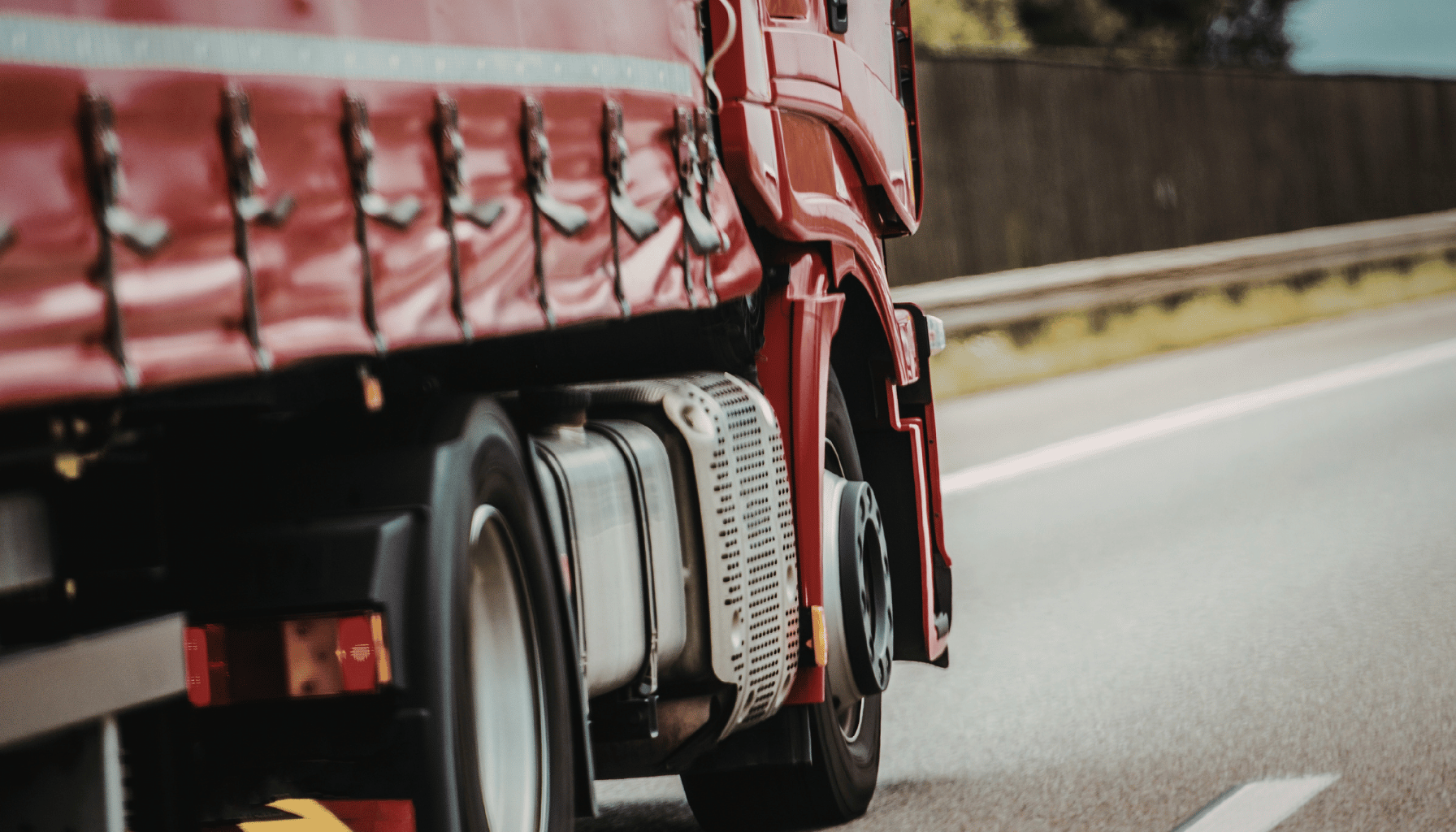
Tip Detection on the devices allows John Holland to determine when and where a vehicle unloads spoil.
An unload location is logged when the device’s gyroscope position is within a pre-determined tilt position, which represents the truck tilting its tray. The location data from the load and unload events is then compared with geofence datasets to attribute the type of soil being transported (clean, contaminated, etc) and the name of the disposal location.
Both licensed landfills as well as all construction zones on John Holland projects are all also geofenced and tagged with the correct soil classification, enabling illegal dumping alerts if trucks carrying the soil tip outside of regulated areas.
Integration and Device Management
With flexible integration options, comprehensive documentation, and regional technical support, integrating devices into the SpoilTRAC platform was also streamlined and managed with our Device Management Platform.
In addition to integration, Device Manager allows John Holland to securely connect, provision, update, and monitor their devices over-the-air at scale, simplifying device management and deployments.
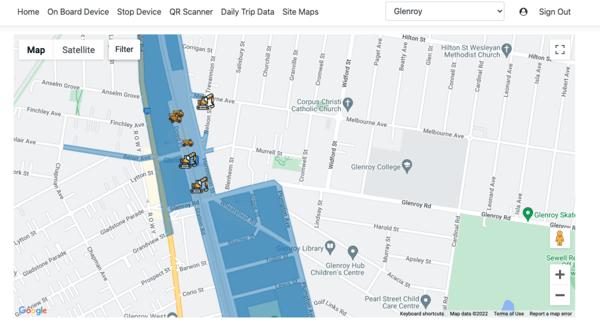
SpoilTRAC Platform
Example of Spoil Tracking Events
- Spoil Truck Loading – a GPS-based algorithm utilizing spoil truck and excavator coordinates
- Spoil Truck Unloading – determined by ‘real-time’ return of tilt sensor data from the IoT device
- Unauthorized Spoil Disposal – a GPS-based algorithm identifying a spoil truck unloading in an unauthorized geolocation
The Benefits
The development of SpoilTRAC has provided John Holland with a time-effective and cost-efficient means to record tracking data for spoil.
“The real-time confirmation of spoil type, amount, and disposal location means we no longer have to wait 1-4 months waiting for information from our subcontractors to see if we have managed our spoil/waste appropriately,” says Tham Gunasekera, Senior Environmental Advisor (EA), John Holland. “Instant notification of an incorrect spoil disposal incident can also save between $1600 – $4000 per single dump truck load per incident.”
The platform also provides easy access to spoil movement data which can then be used to compare and validate contractor invoicing and presents an opportunity for improved sustainability outcomes by spoil reuse between projects and optimizes plant and personnel utilization.






-1.png)