Wi-Fi Positioning Systems (WPS)
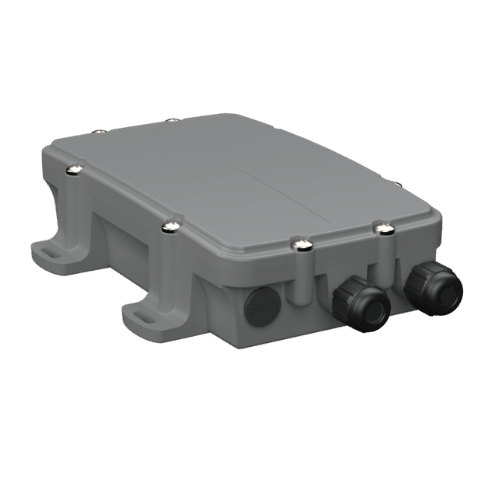
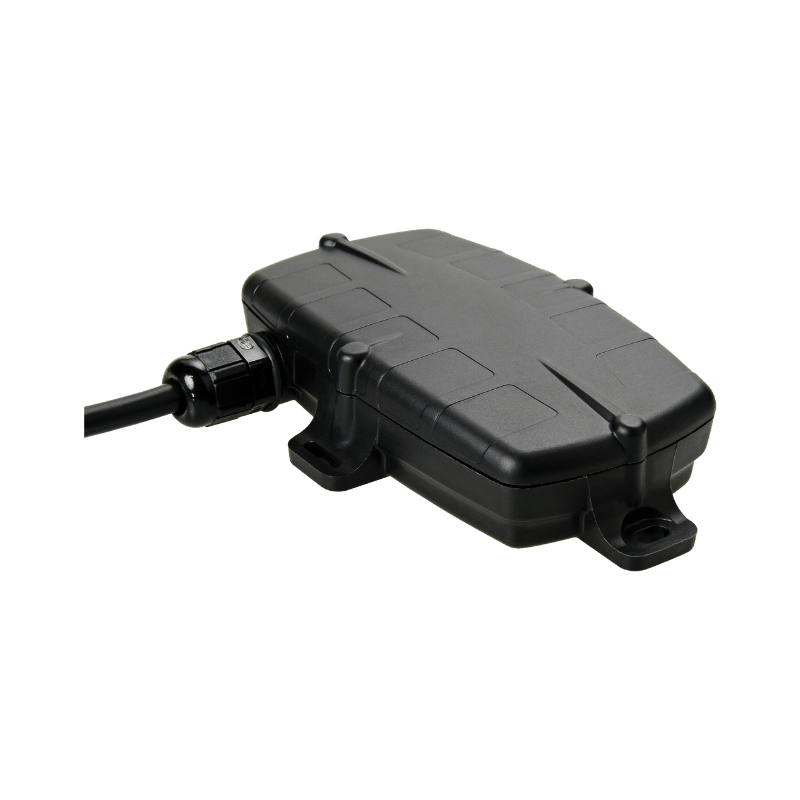
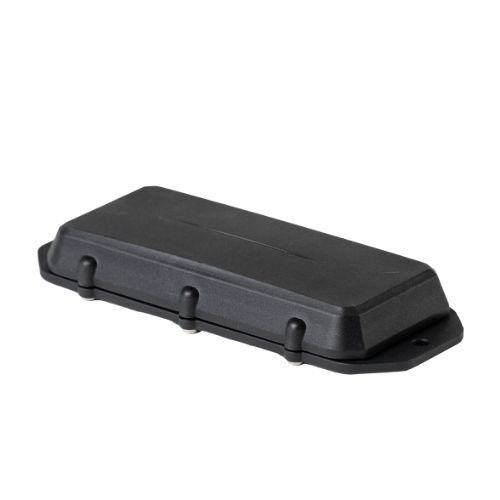
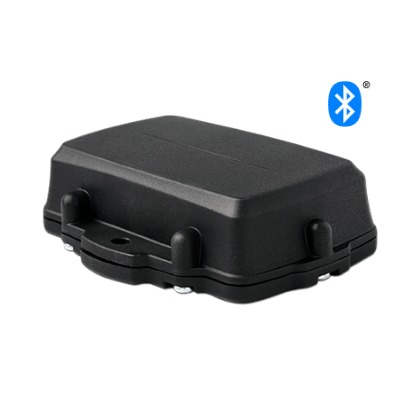
Two of our devices (The Yabby Wi-Fi and The Oyster Edge) feature Wi-Fi Sniffing modules to track assets inside warehouses, factories, garages, basements, and other buildings where even the best GPS just doesn't work.
So how does Wi-Fi positioning work?
-
The Wi-Fi positioning module on these devices scans for nearby Wi-Fi access points.
-
The device doesn’t connect to these networks. Instead, it detects available Wi-Fi enabled devices and Wi-Fi APs, recording the signal strength of each.
-
The device may also send the Cell ID of the tower it's connected to, which assists in the positioning algorithm.
-
Using Wi-Fi triangulation and known Wi-Fi positioning methods, the device estimates its location with surprising accuracy - even indoors.
How does Wi-Fi positioning work? It leverages the MAC addresses and signal strengths of surrounding Wi-Fi networks to locate devices, allowing for reliable indoor localization where GPS is ineffective.
This method is ideal for organizations with existing WFi infrastructure, offering a cost-effective alternative to other positioning technologies like UWB or RFID.
Wi-Fi vs GPS
|
Feature
|
GPS
|
Wi-Fi Positioning
|
|
Best Use Environment
|
Outdoors
|
Indoors
|
|
Accuracy Indoors
|
Poor – struggles inside buildings
|
Reliable – provides location inside buildings
|
|
Power Consumption
|
Higher – cold starts can take 30+ seconds
|
Lower – scans complete in seconds
|
|
Performance in Remote Areas
|
Strong – works well with clear sky view
|
Limited – requires nearby Wi-Fi access points
|
Indoor Positioning: What about Accuracy?
The accuracy of Wi-Fi indoor positioning is impressive, especially in urban and commercial areas with high Wi-Fi AP density. Expect location accuracy between 10m and 40m in most environments. This level of detail supports reliable indoor navigation, asset tracking, and determining location across large facilities.
Featured Devices with Wi-Fi Positioning
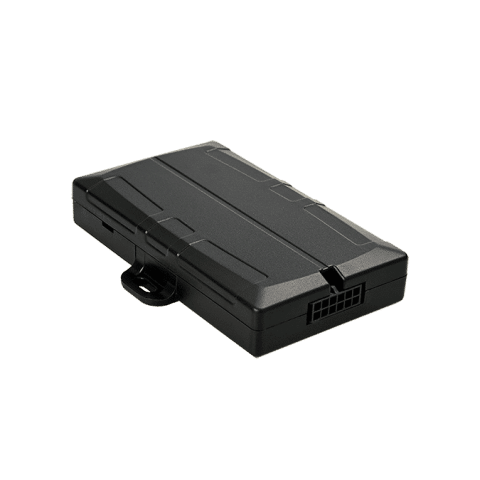
The Yabby
The Yabby Edge is a compact, battery-powered tracker available with either GPS/GLONASS (Yabby3) or Wi-Fi positioning (Yabby Edge Cellular). Ideal for indoor tracking, its small form factor makes it easy to conceal on high-value indoor assets.
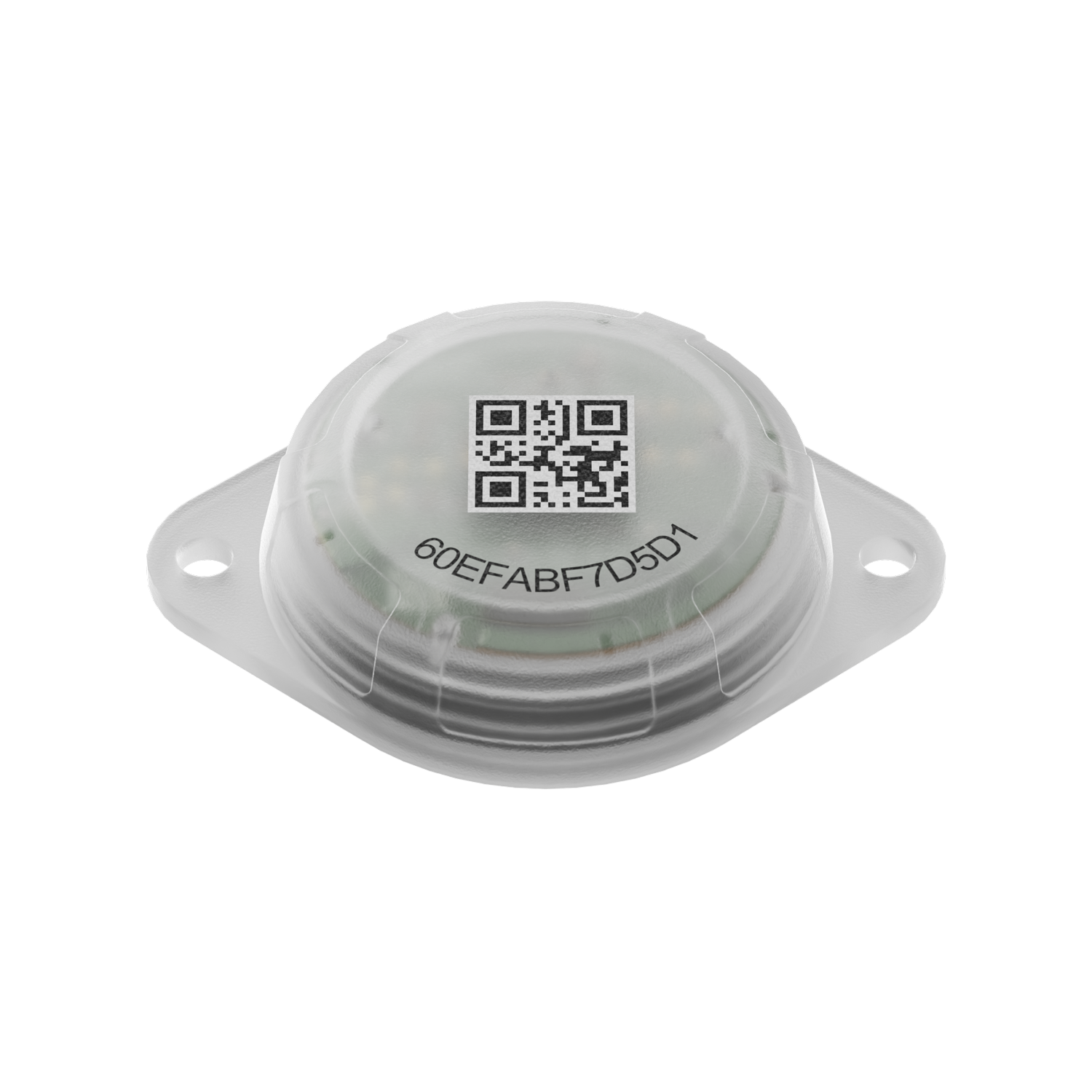
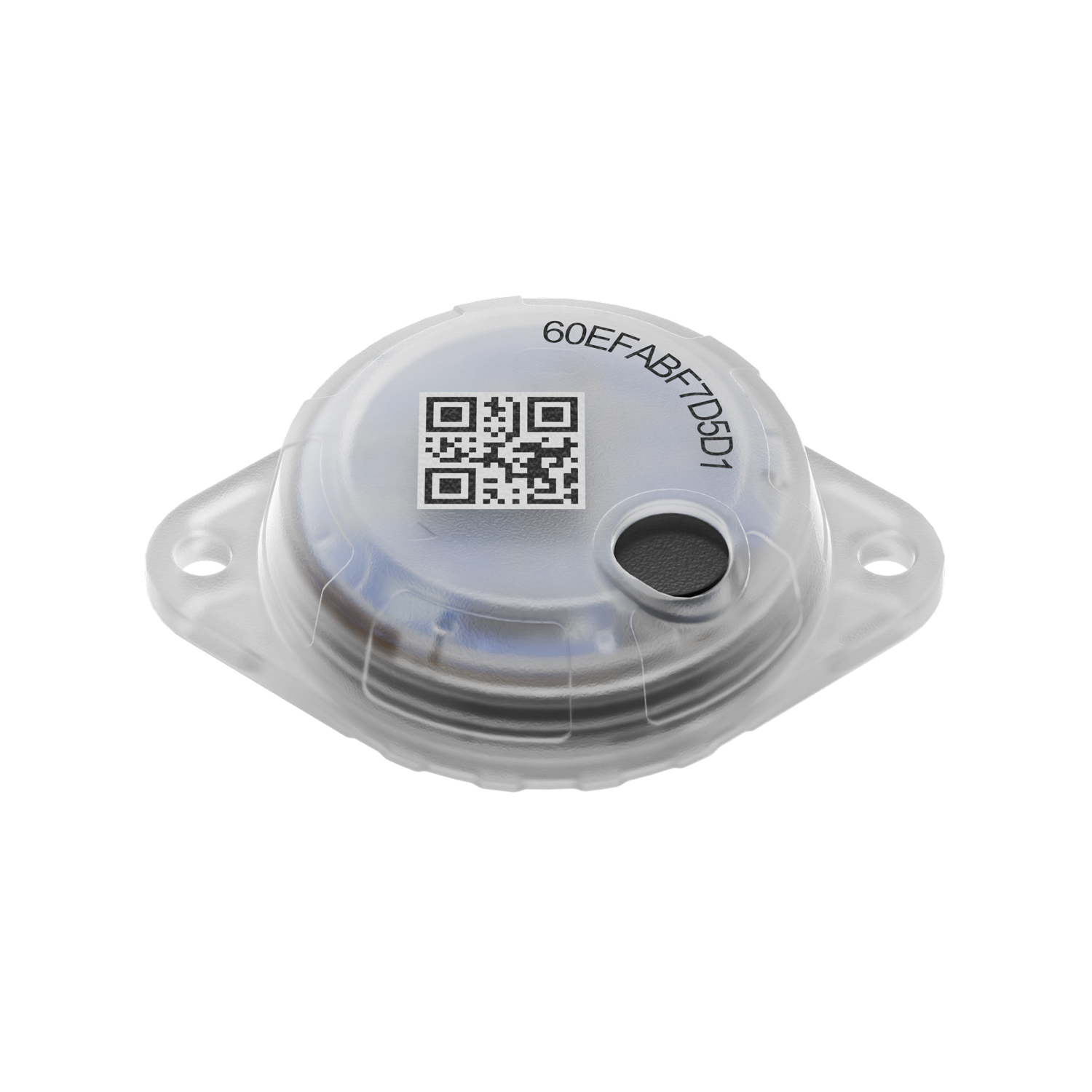
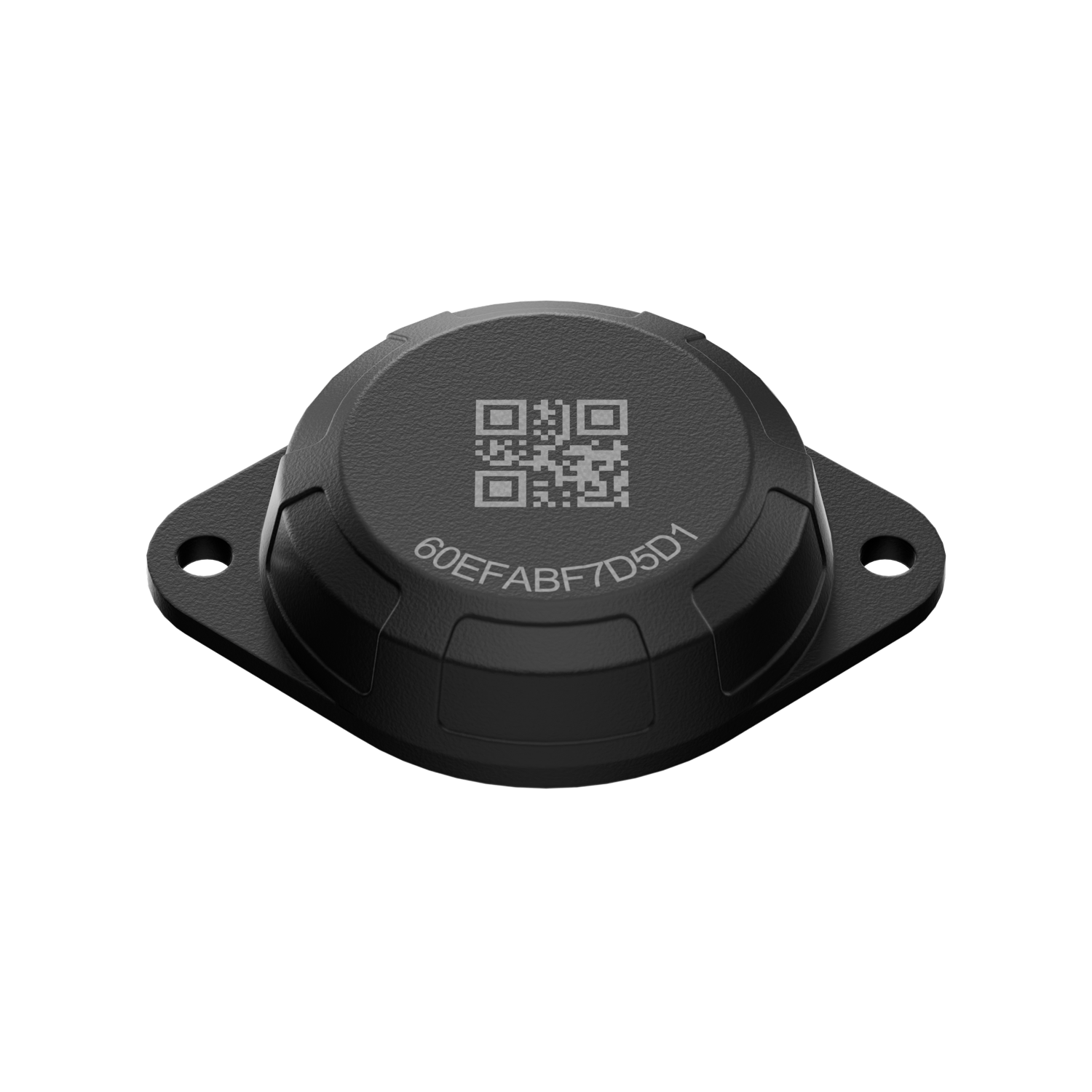
The Oyster Edge
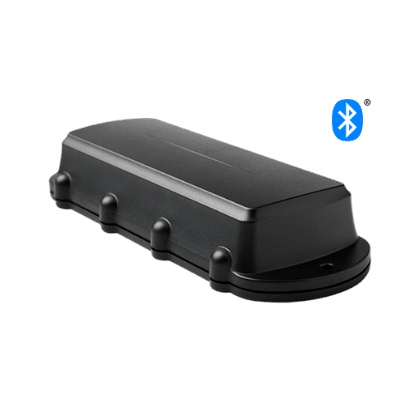
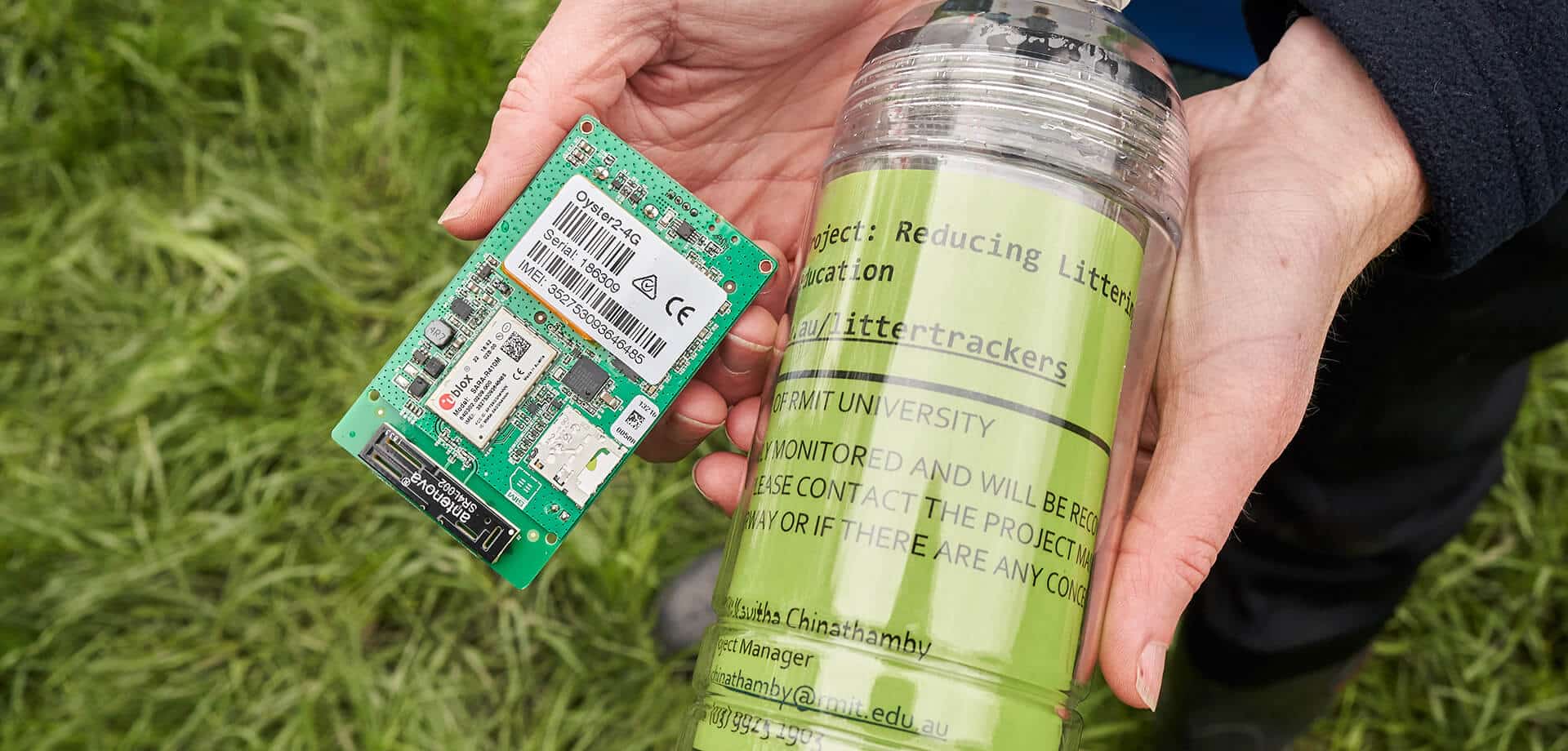
The Oyster Edge uses GNSS, Wi-Fi access point scanning, and Cell Tower data for reliable indoor and outdoor tracking, switching to Wi-Fi when GPS signals drop. This rugged, battery-powered LTE M, NB IoT device includes a Bluetooth 5.2 Gateway to track assets and monitor wireless sensor data. With 10+ years of battery life and cloud-based location solving, it’s ideal for long-term deployments and condition monitoring.
Speak with a Specialist
Selecting the Right Access Points
The effectiveness of Wi-Fi positioning is directly tied to the quality and density of wireless access points in the environment. To maximize accuracy and reliability in a Wi-Fi based indoor tracking setup, consider the placement and signal coverage of your existing infrastructure.
Devices rely on scanning surrounding Wi-Fi devices and APs to deliver precise location data. Ideally, your indoor space should have multiple detectable Wi-Fi APs with distinct MAC addresses and minimal overlap to ensure better triangulation.
By leveraging a real-time location system that incorporates Wi-Fi positioning systems, businesses can enhance visibility into asset movements and streamline indoor navigation efforts using the same infrastructure already deployed for connectivity.
When to Use Wi-Fi Indoor Positioning Systems?
When indoors, traditional GPS devices will struggle to get a fix, which uses a substantial amount of power. This becomes a serious problem if the GPS is also battery-powered. Devices with Wi-Fi sniffing modules will use less power when tracking assets indoors or tracking assets that frequently travel between indoors and out, such as:
Devices that support Wi-Fi positioning systems are well-suited for use in complex supply chain environments, retail, healthcare, and smart building applications.
Speak with a Specialist
When Not to Use Wi-Fi Positioning?
Wi-Fi positioning isn’t necessary if your asset consistently has a strong GPS signal. It’s also less effective in rural or remote areas with limited Wi-Fi access points, which can lead to data usage spikes if devices constantly fail to locate nearby networks. In such cases, GPS remains the preferred method for location services.


-1.jpg)