
Our mission is to help businesses connect, protect, and derive more value from their assets. As a leading global innovator, developer, and supplier of IoT solutions, we drive continuous innovation to enable our partners to deploy confidently at scale worldwide.
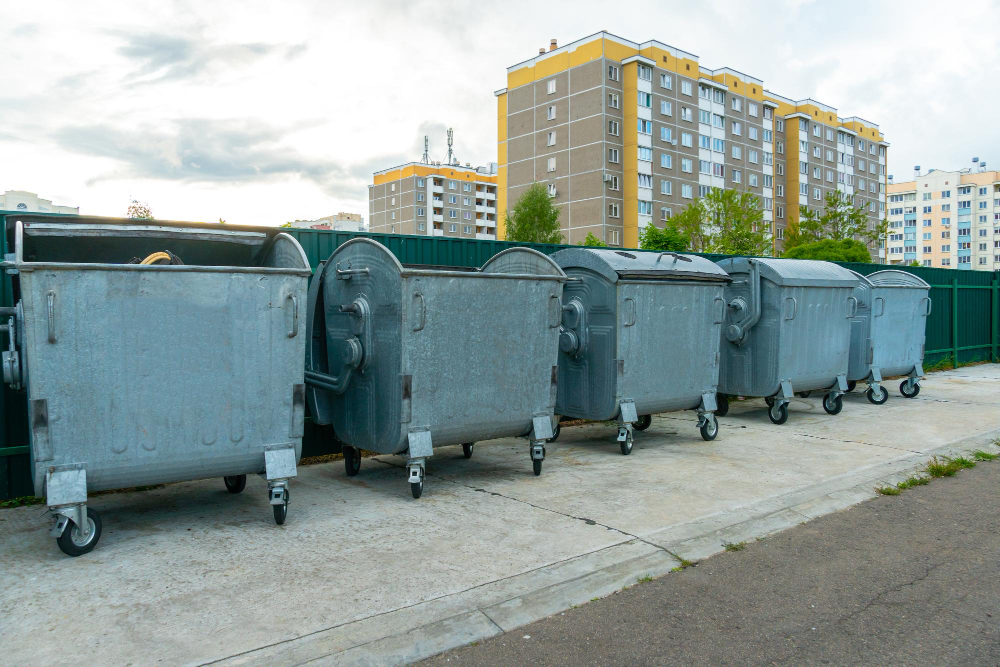
Dumpster tracking is becoming increasingly common across waste management, recycling, and rental operations.
Operators are under growing pressure to improve asset visibility, reduce losses, optimize collection schedules, and better understand how their assets are being used across large service regions. Accurate visibility across roll-off dumpsters, municipal waste containers, and rental skips helps operators improve collection planning, reduce asset losses, and make better use of existing fleets.
Many organizations assume GPS tracking works like vehicle tracking, providing constant location updates and real-time monitoring. In reality, battery-powered dumpster tracking depends heavily on intelligent reporting behavior, movement patterns, and realistic operational expectations.
This guide explains where GPS tracking works well for dumpsters, where it may not be the best fit, and how waste management companies can determine whether deploying GPS tracking is actually worth the investment.
Can You Put GPS Trackers on Dumpsters?
The answer is yes. Modern battery-powered GPS tracking devices can be installed on:
- Dumpsters
- Skips
- Roll off dumpsters
- Compactors
- Waste containers
Advances in low-power IoT technology have made it possible to deploy tracking hardware for years without requiring external power or frequent maintenance. Unlike vehicles, dumpsters do not have access to continuous power. This means trackers must rely on internal batteries and intelligent reporting logic to balance visibility with battery life.
Why Operators Track Dumpsters
Dumpster tracking helps waste operators gain better visibility across distributed assets while reducing the time and effort required to manage them. By monitoring asset location and movement, organizations can reduce asset loss, improve utilization, detect unauthorized movement, minimize manual yard checks, improve fleet planning, and support more efficient dumpster management across their operations.
In many cases, missing dumpsters are not stolen, they have simply been relocated or left at customer sites without accurate records.
Why Dumpsters Are Different From Vehicles
Tracking dumpsters requires a different approach to tracking fleet vehicles. Unlike trucks, dumpsters have no continuous power source, often remain stationary for long periods, move infrequently, and operate in harsh outdoor environments. Because of this, battery-powered dumpster tracking devices should be configured around asset behavior rather than vehicle behavior.
Applying frequent vehicle-style reporting to dumpsters typically creates unnecessary battery drain without delivering additional operational value.
Where Dumpster GPS Tracking Works Well
Dumpster GPS tracking delivers the most value when assets are mobile enough to benefit from visibility, but not so active that they require constant reporting.
The following use cases are some of the strongest examples where battery-powered tracking can improve asset utilization, reduce losses, and provide meaningful operational insights.
Rental Dumpster Fleets
Rental fleets are one of the strongest use cases for dumpster GPS tracking. Dumpster rental businesses often have hundreds or thousands of containers deployed across customer locations. Over time, asset visibility becomes difficult to maintain.
Why Tracking Helps
GPS tracking helps waste operators locate missing assets faster, improve pickup scheduling, and reduce unnecessary replacements caused by misplaced dumpsters. It also supports more timely service delivery, improves customer satisfaction, and increases operational efficiency by providing greater visibility into where assets are located and how they are being used.
Knowing the location of containers allows teams to make better decisions about redeployment and inventory management.
Best Fit Devices
For most rental dumpster fleets, the Oyster3 is often a strong fit due to its balance of battery life, durability, and reliable movement detection. However, the ideal solution depends on:
- Asset size
- Connectivity requirements
- Reporting expectations
- Environmental conditions
High-Value Waste Containers
Compactors, specialty recycling containers, and large industrial waste units often represent significant investments.
Why Tracking Helps
GPS tracking helps protect high-value waste assets by providing theft recovery capabilities, detecting unauthorized movement, and generating geofencing alerts when containers leave designated locations. It also delivers long-term visibility into asset location and movement, helping operators recover missing equipment faster and maintain better control across distributed fleets.
This helps reduce theft risks while improving accountability across distributed operations.
Best Fit Devices
The Remora3 is often a strong fit for high-value assets due to its larger battery capacity and support for more aggressive reporting profiles. However, device selection should still be based on operational requirements rather than battery capacity alone.
Municipal Waste Operations
Municipal deployments often involve managing large fleets of containers spread across extensive service regions.
Why Tracking Helps
Tracking gives operators greater visibility into container locations, making it easier to manage inventory, support deployment planning, and understand how assets are being used across the fleet. These insights help improve asset utilization, enable better resource allocation, and ensure containers are positioned where they deliver the greatest operational value.
These insights help waste management companies optimize operations and improve service planning.
Best Fit Devices
Common options include:
These devices provide long battery life and scalable deployment options suitable for municipal environments.
Remote or Distributed Waste Sites
Large service regions can create visibility challenges. Containers may be deployed across remote facilities, regional communities, industrial sites, or construction locations.
Why Tracking Helps
GPS tracking gives operators greater visibility across distributed waste operations, reducing the need for manual inspections and time spent searching for assets. It also improves deployment oversight and supports faster asset recovery by providing accurate location information when containers or equipment are moved unexpectedly.
Best Fit Devices
For remote deployments, common options include:
These devices support long-term deployments across complex operating environments.
Where Dumpster GPS Tracking Can Struggle
While GPS tracking can deliver significant value in many waste management applications, there are situations where alternative technologies or different deployment strategies may provide a better return on investment.
Ultra-Low-Value Containers
GPS tracking is not always the right solution. For low-value assets, hardware costs may exceed the operational value generated by tracking.
In these situations, lower-cost alternatives such as BLE tracking, barcode systems, or QR-based workflows may provide a better return on investment. While they do not offer the same level of location visibility as GPS tracking, they can be highly effective for managing large fleets of lower-value assets within controlled environments.
The objective should always be matching tracking technology to asset value.
Expectations Around “Live Tracking”
One of the biggest misconceptions is that dumpsters should provide real-time tracking like vehicles. This approach rarely makes sense as dumpsters move infrequently and often remain stationary for long periods.
Continuous updates create two challenges:
- GPS fixes consume power
- Frequent uploads shorten deployment life
For most waste assets, exception-based reporting delivers better results than constant polling.
Dense Urban or Covered Environments
GPS tracking can also face challenges in dense urban environments, indoor storage facilities, and areas with large amounts of surrounding metal, where satellite signals may be reduced or obstructed. In these situations, devices that combine multiple positioning technologies or are configured for the operating environment can deliver more consistent visibility and improve overall tracking performance.
Signal obstruction can impact visibility and increase power consumption as devices work harder to acquire location information. These conditions do not make tracking impossible, but they do influence hardware selection and reporting behavior.
The Biggest Limitation: Battery Life vs Reporting Frequency
The most important concept in dumpster tracking is simple: battery-powered dumpster tracking depends on intelligent reporting behavior.
Every location update requires the device to:
- Acquire GPS data
- Connect to a network
- Transmit information
Every location update consumes battery power, so the more frequently a tracker reports, the shorter its battery life will be. For dumpsters and other waste assets that remain stationary for long periods, movement-based reporting is usually the most effective approach.
Rather than sending continuous updates, the device reports when meaningful events occur, such as movement or a geofence breach. Combined with features like exception alerts and movement detection, this provides the visibility operators need while preserving battery life and reducing unnecessary reporting.
What Type of Dumpster GPS Tracker Should You Choose?
The best dumpster tracker depends on how the asset operates, how frequently it moves, and the level of visibility required. Selecting hardware based solely on battery life or reporting frequency often leads to poor deployment outcomes. Matching the tracker to the asset's behavior generally produces better long-term performance and lower operating costs.
Oyster3 – Best General-Purpose Dumpster Tracker
Best for
The Oyster3 is a reliable choice for tracking outdoor dumpsters across rental fleets and general waste operations. Its rugged IP68 housing, long battery life, and intelligent movement detection provide dependable visibility with minimal maintenance, making it ideal for large-scale deployments across demanding outdoor environments.
Why it fits
The Oyster3 combines rugged construction, long battery life, and reliable movement detection in a proven deployment platform. It provides dependable GPS tracking for waste operators seeking scalable visibility without excessive maintenance.
Barra Edge – Best for Compact and Covert Deployments
Best for
The Barra Edge is designed for smaller dumpsters and deployments where discreet installation is a priority. Its compact form factor makes it an excellent choice for theft-focused tracking and covert installations, allowing operators to improve asset visibility while reducing the likelihood of tampering or device detection.
Why it fits
The Barra Edge's compact form factor enables discreet installation while providing reliable location visibility. This makes it attractive for operators focused on theft prevention and asset recovery.
Remora3 – Best for High-Value or Higher-Frequency Tracking
Best for
The Remora3 is designed for expensive large assets, specialized containers, and deployments where higher reporting frequency is required without compromising long-term reliability. Its large battery capacity makes it ideal for applications that demand increased visibility, such as theft recovery, high-value asset protection, and operations where more frequent location updates provide additional operational benefit.
Why it fits
The Remora3 offers larger battery capacity and supports more aggressive reporting profiles when required. It is particularly effective when additional visibility or recovery performance is needed.
Barra Core – Best for Lower-Cost Presence Tracking
Best for
The Barra Core is designed for large fleets of lower-value assets where confirming an asset's presence is more important than continuous GPS location tracking. It is perfect for high-volume deployments that require a scalable, cost-effective solution for monitoring asset presence across depots, yards, and other controlled operating environments.
Why it fits
The Barra Core uses Bluetooth-based tracking approaches that can significantly reduce deployment costs compared with full GPS on every asset. This approach can be highly effective when combined with a broader tracking infrastructure.
Dumpster GPS Tracking Software: What Features Matter?
The tracker is only one part of the solution. Effective tracking software should provide visibility while reducing operational workload.
Useful capabilities include:
- Geofencing alerts
- Movement notifications
- Asset history
- Battery monitoring
- Device management
- Reporting analytics
- Detailed reports
Good software helps operators manage assets efficiently rather than creating additional dashboards and noise.
The goal should be actionable visibility, not more data.
Alternatives to Full GPS Dumpster Tracking
GPS tracking is not always the best answer. Depending on the application, alternative technologies may provide better value.
BLE and Proximity Tracking
Bluetooth Low Energy (BLE) tracking offers a cost-effective alternative for operators who need visibility without deploying GPS on every asset. BLE-based systems are simple to install, scale well across large fleets, and perform particularly well in controlled environments such as depots, yards, and transfer stations where proximity-based tracking is sufficient.
QR and Barcode Systems
QR codes and barcode systems continue to play an important role in waste management operations, particularly where manual processes are already established. They are well suited to inventory audits, asset identification, and managing lower-value assets where continuous location tracking is not required.
Hybrid Deployments
Many waste operators achieve the best results by combining multiple tracking technologies within the same deployment. For example, GPS trackers can be installed on high-value containers that require continuous visibility, while BLE devices are used on lower-value assets to reduce hardware costs. This hybrid approach provides the right balance between visibility, scalability, and overall deployment cost.
Common Mistakes in Dumpster Tracking Deployments
Several mistakes consistently reduce deployment success:
- Treating dumpsters like fleet vehicles
- Over-configuring reporting frequency
- Deploying GPS on every low-value asset
- Ignoring mounting considerations
- Underestimating environmental conditions
Avoiding these mistakes helps improve reliability and return on investment.
Waste Management GPS Tracking in Action
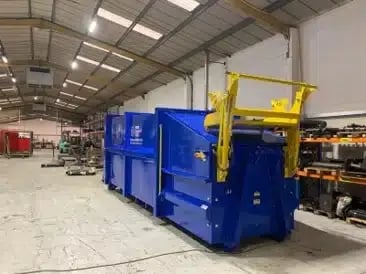
Digital Matter helps waste operators build more efficient and scalable waste management tracking solutions by combining long-life battery-powered devices with intelligent reporting and asset visibility tools.
A good example is highlighted in our case study, Waste Management GPS Tracking: Build a Better Waste Management Tracking Solution. The article explores how GPS tracking helps waste operators monitor dumpsters, skip bins, compactors, and other distributed assets across large service regions. Rather than relying on manual asset audits or customer records, operators gain visibility into asset location, movement history, utilization patterns, and deployment activity.
By using battery-powered tracking devices designed for non-powered assets, waste businesses can identify underutilized containers, reduce asset loss, improve collection planning, and streamline day-to-day operations. Features such as movement detection, geofencing, and exception-based reporting provide meaningful visibility without generating unnecessary battery drain or excessive reporting traffic.
The key takeaway is that successful waste management GPS tracking is about creating actionable operational visibility that helps operators improve utilization, reduce costs, and make better decisions across their entire container fleet.
Read the full article here.
Building a Smarter Dumpster Tracking Strategy
Dumpster GPS tracking can deliver strong operational value when aligned with asset value, movement patterns, and realistic reporting expectations.
The most successful deployments focus on meaningful visibility rather than constant updates. By matching the right tracker to the right asset, operators can improve utilization, reduce losses, enhance visibility, and better manage waste assets across large service regions.
To learn more about Digital Matter's modern waste-tracking devices or to compare GPS tracking options for dumpsters and waste assets, speak with a Digital Matter specialist or explore the full range of GPS tracking devices to find the right solution for your deployment.