
Our mission is to help businesses connect, protect, and derive more value from their assets. As a leading global innovator, developer, and supplier of IoT solutions, we drive continuous innovation to enable our partners to deploy confidently at scale worldwide.
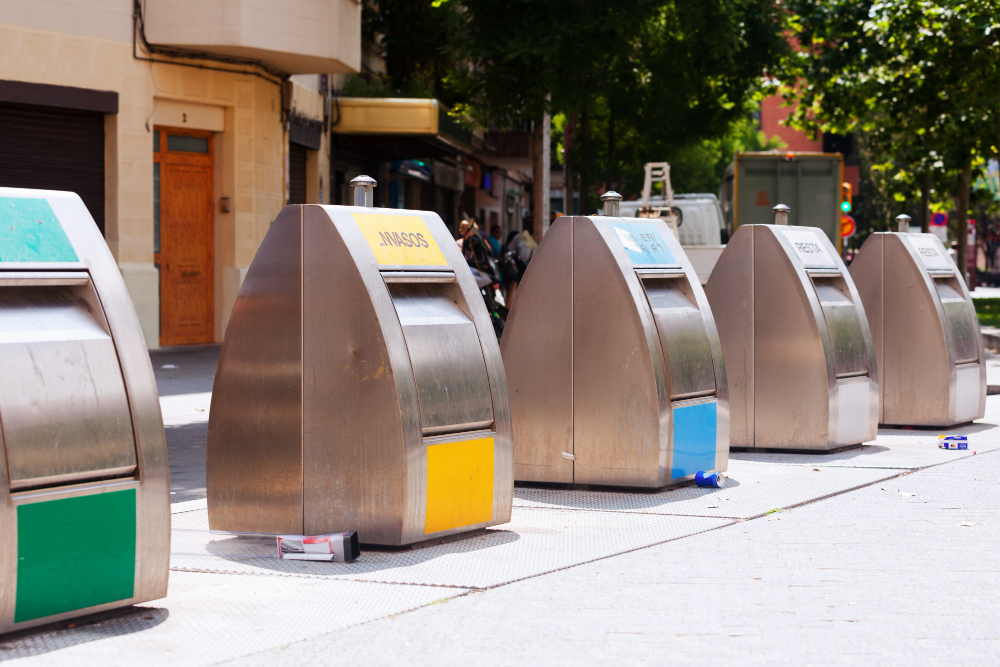
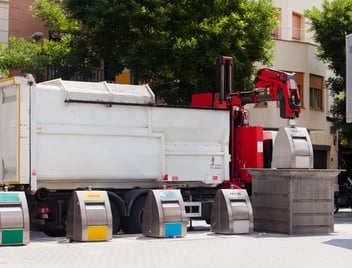
Waste and recycling operators manage large numbers of distributed assets across wide service regions. Maintaining visibility across large service regions can quickly become challenging when waste bins, recycling containers, skips, compactors, and mobile waste equipment are in the mix.
Operators without effective tracking often face issues such as misplaced bins, inefficient collection schedules, underutilized assets, and unnecessary asset replacement costs. These visibility gaps can increase operational complexity and reduce efficiency across the entire waste management process.
GPS bin tracking helps solve these challenges by providing location visibility, utilization insights, movement monitoring, and theft prevention capabilities. These modern tracking solutions allow operators to understand where assets are located, how they are being used, and when intervention may be required.
In this guide, we explain what to look for in a GPS bin tracking device and outline the software capabilities that help waste operators make better, data-driven decisions.
What to Look for in a GPS Bin Tracking Device
Selecting a GPS tracking device for waste assets requires more than choosing the smallest tracker or the longest advertised battery life. The operating environment, reporting behavior, and deployment requirements all influence long-term performance.
Long Battery Life for Non-Powered Assets
Most bins, skips, and waste containers operate without a dedicated power source. Unlike vehicles, these assets often remain stationary for extended periods before being moved. Devices must therefore support multi-year deployments while maintaining reliable visibility.
Battery life is heavily influenced by:
- Reporting frequency
- Movement activity
- Connectivity conditions
- Device configuration
The most effective waste tracking deployments use intelligent reporting rather than constant updates.
Rugged Outdoor Design
Waste assets spend their lives in demanding environments where tracking devices are exposed to moisture, vibration, impacts, harsh weather, dirt, and debris. Choosing a rugged, IP-rated device helps ensure reliable long-term performance, reduces maintenance requirements, and minimizes the cost and disruption of replacing damaged hardware.
Flexible Mounting Options
When deploying tracking devices across hundreds or even thousands of assets, installation needs to be quick, practical, and repeatable. Whether devices are mounted internally for covert tracking or externally for easier access and servicing, selecting hardware that is simple to install and maintain makes large-scale rollouts faster and more efficient.
Reporting Behavior Matters More Than “Real-Time”
Waste assets do not behave like vehicles. In most cases, movement-based reporting delivers more value than constant updates. Bins may remain idle for weeks at a time, making vehicle-style reporting unnecessary and inefficient.
The goal is not constant tracking. The goal is to receive relevant information when meaningful activity occurs.
Choose the Right Tracking Device
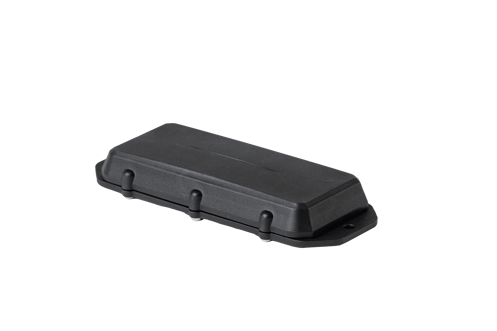
1. Manta Fusion – Best for Dense Urban Waste Environments
Best for
The Manta Fusion is well-suited to waste operations in dense urban environments where assets regularly move between indoor and outdoor locations. It is an excellent choice for smart waste initiatives, transfer stations, and municipal deployments that require reliable visibility across complex operating environments.
Why it stands out
The Manta Fusion is designed for complex operating environments where traditional GPS alone may struggle. Its hybrid positioning capabilities provide reliable visibility across urban infrastructure, depots, transfer facilities, and areas where signal conditions frequently change.
Ideal deployments
- City waste operations
- Smart city programs
- Complex logistics yards
- Large municipal waste networks
2. Oyster3 – Best for General Waste Bin Tracking
Best for
The Oyster3 is designed for general-purpose tracking of outdoor waste assets, making it an ideal solution for waste bins, recycling containers, skip bins, and broader waste fleets. Its rugged design, long battery life, and reliable movement detection make it well-suited to operators looking for a durable, low-maintenance tracking solution across a wide range of waste management applications.
Why it stands out
The Oyster3 has become one of the most widely deployed waste tracking devices due to its balance of ruggedness, battery life, and reliable movement detection.
Its IP68 housing and long-life battery platform make it particularly well-suited for outdoor waste environments.
Ideal deployments
- Commercial waste fleets
- Municipal recycling programs
- Skip tracking
- Container inventory management
For operators seeking a simple and affordable tracking solution, the Oyster3 remains one of the strongest options available.
3. Oyster Edge – Best for Indoor/Outdoor Waste Visibility
Best for
The Oyster Edge is ideal for waste assets that move between indoor and outdoor environments, where relying on GPS alone may not provide consistent location visibility. It is particularly well-suited to transfer stations, urban waste operations, and other mixed-environment deployments that benefit from seamless positioning and long battery life.
Why it stands out
The Oyster Edge combines multiple positioning technologies to provide strong visibility where traditional GPS tracking can become inconsistent. Utilizing cloud-based location solving helps optimize battery performance while maintaining location visibility across challenging environments.
Ideal deployments
- Smart city deployments
- Transfer stations
- Urban waste operations
- Mixed environment asset tracking
4. Barra Edge – Best for Compact and Covert Bin Tracking
Best for
The Barra Edge is designed for smaller bins and deployments where discreet installation is a priority. Its compact form factor makes it ideal for public waste infrastructure, rental assets, and theft-sensitive applications where a low-profile tracking solution can help improve asset visibility while reducing the risk of tampering.
Why it stands out
The Barra Edge offers a compact form factor that enables discreet installation without sacrificing visibility. Its small size simplifies deployment while supporting scalable waste-asset tracking programs.
Ideal deployments
- Rental bins
- Public waste assets
- Theft prevention initiatives
- Large fleet rollouts
5. Remora3 – Best for High-Frequency Waste Asset Tracking
Best for
The Remora3 is designed for high-value waste assets that require greater visibility or more frequent reporting than standard battery-powered trackers. It is particularly well-suited to mobile compactors, valuable waste equipment, and deployments where larger battery capacity supports higher reporting requirements without compromising long-term performance.
Why it stands out
The Remora3 utilizes a large battery capacity to support more aggressive reporting profiles when operational requirements demand greater visibility. This flexibility allows operators to balance battery life against reporting expectations.
Ideal deployments
- Mobile compactors
- High-value waste equipment
- Long-haul waste logistics
- Asset recovery applications
The Remora3 is often selected when operators require additional performance without compromising deployment longevity.
6. G70 – Best for Fleet, Vehicle, and Equipment Management in Harsh Environments
Best for
The G70 is ideal for fleet, vehicle, and equipment management in harsh environments where reliable wired power is available. It's well-suited to collection trucks, service vehicles, heavy equipment, and other high-value mobile assets that require real-time visibility, frequent reporting, and access to rich telematics data.
Why it stands out
While many waste tracking deployments focus on containers and bins, waste fleets also require visibility into vehicles and powered equipment. The G70 combines rugged hardware with rich telematics capabilities, making it suitable for harsh operating environments where equipment performance and fleet visibility are priorities.
Ideal deployments
- Collection vehicles
- Service trucks
- Heavy waste equipment
- Fleet management programs
When paired with asset tracking devices, the G70 helps create a complete waste tracking ecosystem.
What Makes Good Bin Tracker Software?
The device is only part of the solution. Effective bin tracker platforms combine hardware visibility with software capabilities that help operators manage assets efficiently and improve performance over time.
Asset Features
Real Time Data, Visibility, and Alerts
Effective bin tracking provides operators with timely information about what is happening across their asset fleet. Features such as movement alerts, geofencing, unauthorized movement detection, regular updates, and asset history help improve visibility, support faster decision-making, and provide greater transparency across distributed waste operations.
Asset Utilization Reporting
Understanding how waste assets are being used is just as important as knowing where they are. Utilization reporting gives operators insight into idle assets, collection frequency, usage trends, waste generation patterns, and overall asset deployment effectiveness, helping identify opportunities to improve efficiency and make better use of existing resources.
Software
Good software should make tracking simple, not more complicated. Operators need easy access to relevant information without creating unnecessary administrative overhead. The best platforms help users find actionable insights quickly while reducing operational noise.
Device Management
Digital Matter's Device Manager provides centralized visibility and control across deployed assets.
Key capabilities include:
- Remote configuration
- Battery monitoring
- OTA updates
- Device diagnostics
- Reporting management
Learn more about Device Manager:
This system helps developers, IoT providers, and waste operators ensure devices remain optimized throughout deployment.
Integration Flexibility
Waste operators often need tracking data to integrate with:
- Existing fleet systems
- ERP platforms
- Municipal software
- Asset management solutions
Strong integration capabilities help add visibility without disrupting existing workflows.
Common Mistakes When Deploying GPS Bin Tracking
Several common mistakes can negatively impact deployment success.
Treating Bins Like Vehicles
Waste assets move differently from fleet vehicles. Applying vehicle-style reporting settings often generates excessive battery drain and unnecessary reporting.
Over-Configuring Update Frequency
More updates do not automatically create better visibility. Excessive reporting can shorten deployment life without providing meaningful operational value.
Ignoring Battery Tradeoffs
Battery life and reporting frequency are closely connected. Successful deployments align reporting expectations with actual asset behavior.
Choosing Hardware Without Ruggedization
Waste environments are demanding. Devices designed for consumer use often fail when exposed to harsh field conditions.
Quick Comparison Table
|
Device |
Best Environment |
Battery Profile* |
Mounting |
Best Use Case |
|---|---|---|---|---|
|
Urban environments |
Multi-year |
Fixed |
Dense deployments |
|
|
Outdoor |
~10 years |
Fixed |
General bin tracking |
|
|
Mixed environments |
Multi-year |
Fixed |
Indoor/outdoor visibility |
|
|
Compact deployments |
~8–10 years |
Compact |
Covert tracking |
|
|
High-frequency tracking |
10–20 years |
Heavy-duty |
Valuable waste assets |
*Battery life depends on reporting configuration and movement behavior.
How to Choose the Right Bin Tracking Solution
The best waste tracking deployment starts with understanding operational requirements rather than selecting hardware based solely on specifications.
Choose Based On
- Asset type
- Deployment environment
- Reporting expectations
- Maintenance capacity
A strong example of this approach is Digital Matter's work with Parallel in Iceland.
In the case study, IoT-enabled waste compactor monitoring helped improve visibility into compactor status and servicing requirements while reducing unnecessary collection activity. Read the full case study.
For a broader overview of how GPS tracking can help waste operators improve visibility and optimize operations, read our article on Optimizing Waste Management with GPS.
Data Driven Decisions for Smarter Waste Operations
GPS bin tracking improves asset visibility, collection efficiency, loss prevention, and operational control across waste and recycling operations.
The most successful deployments rely on battery-efficient hardware, practical reporting logic, and scalable software visibility that supports real-world operating conditions. By selecting the right device for the asset, environment, and reporting requirements, waste operators can improve operational efficiency, reduce costs, and simplify day-to-day management.
To learn more about modern waste management tracking systems, speak with a Digital Matter specialist or explore the full range of GPS tracking devices to find the right solution for your deployment.