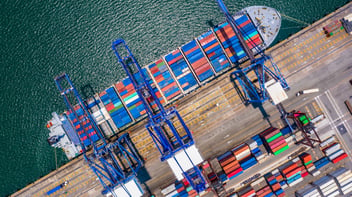
Shipping Container Tracking: The Difference Between Ocean Container Tracking vs Yard Container Tracking

Our mission is to help businesses connect, protect, and derive more value from their assets. As a leading global innovator, developer, and supplier of IoT solutions, we drive continuous innovation to enable our partners to deploy confidently at scale worldwide.
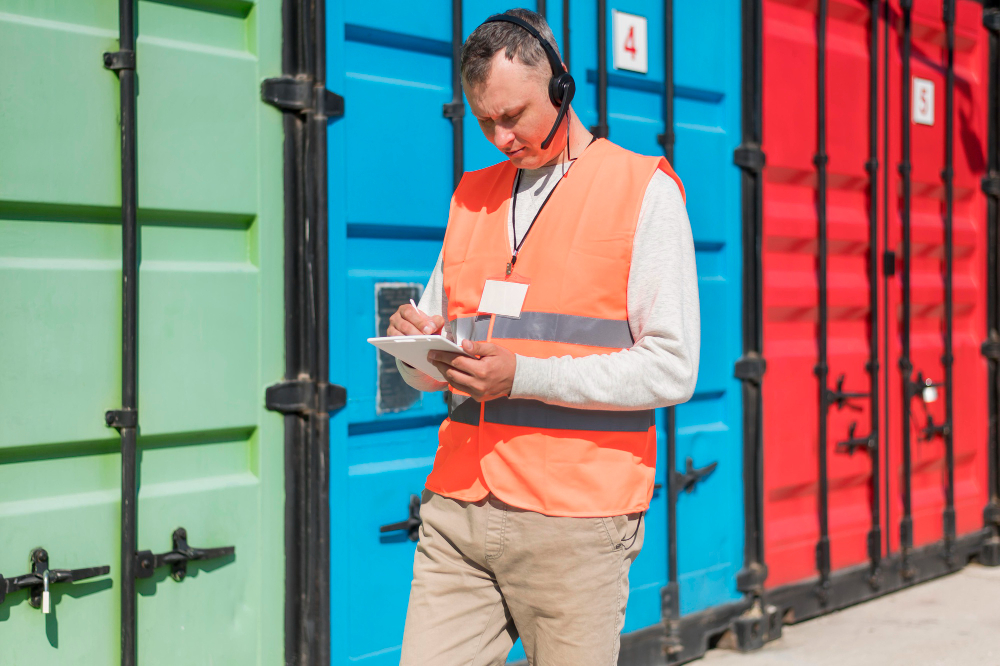
In this guide, we explain the key differences between ocean container tracking and yard container tracking, including how each environment impacts visibility, reporting expectations, battery performance, and system design.
Not all container tracking is the same. A container sitting inside a busy port yard behaves very differently from a container crossing the ocean aboard a cargo vessel. The operating environment directly affects tracking visibility, reporting behavior, connectivity, and battery consumption.
This is where many deployments run into problems.
Tracking systems designed for frequent inland visibility often perform poorly during long ocean transit periods. Likewise, systems optimized only for low-frequency ocean reporting may struggle to deliver operational visibility inside active yards and logistics facilities.
Successful container tracking depends on understanding how environments change device behavior and adapting the tracking strategy accordingly.
The Core Difference: Visibility vs Accessibility
The biggest difference between yard and ocean tracking comes down to accessibility. Yard environments generally provide frequent access to infrastructure, connectivity, and operational visibility. Ocean transport environments do not. This difference changes how tracking systems must operate.
Yard Tracking = High Accessibility
Yard environments usually provide:
- Frequent access to cellular networks
- Better positioning visibility
- More operational infrastructure
- Regular movement events
Containers may be repositioned multiple times within the same day, particularly in busy logistics facilities or intermodal yards.
Because containers remain operationally accessible, tracking systems can support more responsive reporting behavior and faster location lookup.
Ocean Tracking = Limited Accessibility
Ocean environments are far more constrained. Containers often remain enclosed in ships for days or weeks with little or no network connectivity.
This means:
- Continuous real-time visibility is unrealistic
- Signal access becomes highly inconsistent
- Reporting opportunities are limited
- Battery conservation becomes more important
Tracking systems designed for ocean freight must therefore prioritize efficient low-power operation and intelligent offline behavior rather than constant communication.
Yard Container Tracking: High Visibility, Low Movement
Typical Yard Behavior
Most yard tracking environments involve:
- Long dwell times
- Short repositioning events
- Repetitive movement patterns
- Dense asset environments
Containers may remain stationary for long periods before being moved short distances by forklifts, cranes, or yard trucks. The movement itself may be brief, but operational visibility still matters because logistics teams need fast access to accurate container status information.
Tracking Expectations
Yard operations typically expect:
- Near real-time updates during movement
- Fast location lookup
- Accurate yard positioning
- Operational visibility across active assets
Teams often need to search for a container number or booking reference quickly to determine where a container has been placed.
This is especially important for:
- Inventory management
- Shipment staging
- Yard coordination
- Cargo handling workflows
Efficient yard tracking helps companies manage shipping containers more effectively while reducing manual tracking processes.
Battery Impact in Yard Environments
Yard tracking can be very efficient when configured correctly. Because movement is relatively infrequent, devices can spend long periods in low-power operation. The biggest risk comes from over-reporting.
If devices continuously ping during idle periods, battery consumption increases dramatically without improving operational visibility.
What works best in yard environments includes:
- Movement-based reporting
- Low-frequency heartbeat updates
- Sleep mode behavior
- Event-driven updates
This approach allows companies to maintain visibility while preserving battery life.
Ocean Container Tracking: Low Visibility, Long Transit
Typical Ocean Behavior
Ocean freight introduces very different tracking conditions.
Containers may spend:
- Days in transit
- Weeks at sea
- Long periods without connectivity
- Significant time enclosed within ships
During these periods, there may be little opportunity to upload tracking data or acquire consistent positioning information.
Unlike inland logistics operations, shipping companies generally do not expect constant real-time container tracking throughout the ocean journey.
Tracking Expectations
Ocean tracking is usually focused on visibility at key operational points rather than continuous monitoring.
Typical expectations include:
- Departure confirmation
- Arrival visibility
- Port transition updates
- Shipment progress monitoring
- Container status reporting
This information helps companies track containers across global trade routes while supporting broader supply chain operations.
Operational teams may also use a bill of lading or lading number to search for shipment details through shipping lines or logistics platforms.
Battery Impact in Ocean Environments
Ocean transport environments can preserve battery life very effectively when systems are optimized correctly.
Lower reporting frequency significantly reduces battery consumption during transit periods.
The biggest risk comes from repeated failed connection attempts.
If a device continuously attempts to upload data while operating without signal access, unnecessary power drain occurs.
Efficient ocean tracking systems instead use:
- Minimal activity during transit
- Store-and-forward behavior
- Adaptive connection attempts
- Low-frequency reporting profiles
This allows tracking systems to preserve battery while still maintaining shipment history and operational records.
Key Differences Between Ocean and Yard Tracking Systems
|
Factor |
Yard Tracking |
Ocean Tracking |
|---|---|---|
|
Movement |
Infrequent but regular |
Long idle periods |
|
Visibility |
High |
Limited |
|
Reporting |
Movement-based + periodic |
Event-based |
|
Battery usage |
Moderate |
Low if optimized |
The table highlights how container tracking requirements change significantly depending on where shipping containers operate.
A system optimized for yard visibility may waste battery during ocean transit, while a low-frequency ocean profile may miss important container movements inside active logistics yards.
Why One Configuration Cannot Support Both
Many container tracking deployments struggle because they apply the same reporting configuration everywhere. In practice, ocean and yard environments require very different operating behavior.
Over-Configuring Ocean Tracking
Applying aggressive reporting settings to ocean freight often creates unnecessary battery drain.
Continuous connection attempts provide little visibility improvement when containers remain enclosed within ships and outside terrestrial coverage. This reduces long-term device performance without delivering meaningful operational benefits.
Under-Configuring Yard Tracking
The opposite problem also occurs. If reporting behavior is configured too conservatively inside active yards, important container movements may be missed.
This creates:
- Delayed operational visibility
- Reduced data accuracy
- Poor location awareness
- Slower asset retrieval workflows
In fast-moving logistics environments, this can impact shipment handling efficiency and operational coordination.
Choosing the Right Container Tracking Approach
Effective container tracking systems are designed around operational reality rather than generic reporting assumptions. The correct approach depends heavily on how and where the container moves.
When to Prioritize Yard Tracking Performance
Yard-focused deployments should prioritize:
- High asset turnover
- Fast operational visibility
- Frequent movement detection
- Efficient asset lookup
These environments benefit from more responsive reporting profiles and faster update behavior.
When to Optimize for Ocean Transport
Ocean-focused deployments should prioritize:
- Battery preservation
- Long-duration reliability
- Efficient offline behavior
- Low-frequency reporting
This is especially important for cross-border logistics and long-haul international trade operations.
Combining Both in a Single Deployment
Many real-world logistics operations require both tracking modes.
Containers may transition between:
- Ports
- Yards
- Ocean freight
- Rail terminals
- Inland transport networks
The most effective systems therefore, use flexible device configurations capable of adapting reporting behavior across environments.
This may include:
- Adjustable reporting profiles
- Movement-based tracking logic
- Event-driven updates
- Multi-technology positioning
Aligning expectations across environments is just as important as selecting the right hardware.
Designing Container Tracking Systems for Real-World Environments
Ocean and yard tracking serve very different operational goals. Yard environments prioritize accessibility, movement visibility, and fast operational lookup, while ocean transport focuses on low-power operation, shipment continuity, and long-duration reliability.
Successful container tracking systems are built around understanding environmental constraints, aligning reporting behavior, and managing battery consumption based on how containers actually move through logistics networks.
Digital Matter’s container tracking solutions are designed specifically for these real-world operational challenges. With rugged IP68-rated hardware, adaptive tracking behavior and long-life battery performance, Digital Matter devices help logistics operators maintain dependable visibility across ports, yards, inland freight routes, and ocean transport environments.
From compact low-power devices for large-scale container fleets through to advanced multi-technology trackers for complex intermodal logistics operations, Digital Matter provides flexible container tracking systems built to adapt to changing environments rather than relying on a one-size-fits-all approach.
To learn more about modern container tracking systems, speak with a Digital Matter specialist or explore the full range of container GPS tracking devices designed for ports, yards, ocean freight, and inland logistics environments.

Digital Matter
Digital Matter is a global IoT hardware manufacturer with 25 years of innovation, delivering rugged GPS trackers and sensor monitoring solutions across cellular, LoRaWAN®, Bluetooth®, and satellite networks. Trusted by 1,500+ partners in 130 countries, Digital Matter helps businesses worldwide track and protect the assets that matter.