GPS tracker pricing is rarely as simple as comparing the unit price of two devices. For commercial deployments, the right hardware depends on what you are tracking, where it operates, how often you need location data, how long the device needs to remain deployed, and what happens to that data once it reaches your platform.
At Digital Matter, we approach GPS tracking hardware by balancing price, performance, and power. A device packed with advanced capabilities may be unnecessary for a basic tracking application, while choosing hardware based on price alone can create higher installation, maintenance, and connectivity costs over its operating life.
Understanding those tradeoffs helps businesses build a GPS tracking system that delivers the visibility they need without paying for functionality they will never use.
Need help?
Explore our GPS tracking devices or contact us to discuss how we can help optimize your business with accurate and actionable data.
Digital Matter offers quote-based pricing for its commercial hardware, with volume discounts available for bulk orders. Pricing varies depending on the device, deployment size, and specific requirements of the application.
There is no single price for a commercial GPS tracker because different applications require very different hardware.
A compact battery-powered device used for periodic GPS tracking of pallets has different requirements from a rugged wired tracker installed on heavy equipment. A fleet tracking device supporting driver behavior monitoring, I/O integrations and real time tracking will differ again from a long life asset tracker that only needs to report a few times each day.
Hardware specifications are one part of the equation. Power source, connectivity, durability, positioning technologies, battery capacity, sensors, Bluetooth® functionality, installation requirements and deployment geography can all influence the hardware selected and therefore the cost.
Volume, configuration, software, data usage and integration requirements can also affect overall pricing. For example, tracking thousands of reusable assets requires a different commercial approach from installing a small number of high-capability devices on valuable machinery.
Commercial GPS tracking devices are designed around different operational problems. Paying for every available feature makes little sense if your application only requires basic location updates, while selecting an underspecified device can compromise visibility or create unnecessary servicing later.
The aim is to match power source, connectivity, and durability to how the asset actually operates. Digital Matter's hardware selection guidance identifies these as three core decisions when selecting an asset tracker.
Not necessarily. Battery powered trackers remove the need for wiring and can reduce installation complexity, while wired devices can support expanded functionality such as engine data, driver identification and continuous vehicle visibility. More advanced features generally mean a higher hardware cost, so the right option depends on the functionality your asset and application actually need.
Not always. Hardware, connectivity and software can represent separate parts of a commercial deployment. Platform choice and the volume of location lookups can also influence recurring costs.
Cellular connected deployments generally have an ongoing connectivity or platform component, but the billing structure depends on the chosen configuration, software and integration model.
Commercial pricing can include volume-based pricing and volume discounts. Exact thresholds and discount percentages are not publicly listed, so larger deployments should be quoted according to their requirements.
Total deployment costs vary depending on your hardware, connectivity, software, integration, and installation requirements. Submit an enquiry to the Digital Matter team to discuss your application and get pricing based on your specific deployment.
The specifications that make one GPS tracking device appropriate for a trailer may be unnecessary for a pallet or insufficient for a vehicle. Understanding the main hardware variables makes it easier to compare pricing on a like-for-like basis.
Battery powered hardware is ideal for non-powered assets where permanent power is unavailable, or installation needs to remain simple. Wired devices draw power from the asset and can support higher reporting frequencies and additional telematics features.
For GPS fleet tracking, a wired device may support capabilities such as driver identification and engine information. For standalone GPS asset tracking, a long-life battery powered device may deliver greater value because there is no wiring installation required.
Battery size and expected battery life directly influence device selection. A tracker designed to operate for years without intervention has different engineering requirements from hardware that can be easily recharged or serviced.
Reporting behavior matters too. Frequent real time GPS tracking consumes more energy than movement-based or periodic reporting. Matching update frequency to the actual business requirement can therefore reduce both power consumption and ongoing servicing.
LTE-M, NB-IoT, Cat 1bis, LoRaWAN®, Bluetooth® and satellite each suit different environments and deployment models.
LTE-M and NB-IoT provide efficient cellular connectivity for many IoT applications, while Cat 1bis can support international deployments and roaming.
Connectivity is therefore a specification decision, not simply another feature. Broader global and satellite capability can change both hardware requirements and recurring connectivity costs.
Not every asset spends its life beneath an open sky. GNSS is highly effective outdoors, but Wi-Fi AP MAC Address Scanning and cell-based positioning can extend visibility into warehouses, depots and other environments where satellite visibility is reduced.
Combining positioning technologies may change hardware cost, but it can also remove the need for additional indoor positioning infrastructure. Digital Matter notes that indoor and outdoor tracking technologies can eliminate expensive RTLS gateways or separate positioning systems.
Advanced GPS tracking hardware can also draw on multiple positioning and connectivity technologies depending on the application, including GNSS constellations such as GPS, GLONASS and Galileo, along with Wi-Fi, cell-based positioning and Bluetooth®. Combining technologies can improve visibility across environments where relying on GPS alone may not provide the required coverage.
Digital Matter devices are built for rugged commercial deployments, but some applications place greater demands on hardware than others. Consider the level of exposure to vibration, impact, dust, water and temperature extremes when selecting a device.
IP rating, impact resistance, temperature tolerance and mounting requirements can affect hardware design and pricing. Choosing the appropriate level of durability helps avoid paying for unnecessary protection while reducing failures in demanding environments.
Some deployments only need location. Others need temperature, humidity, load, level, door events or additional sensor data.
Bluetooth® gateway functionality and interfaces for external sensors can turn a tracker into a broader IoT monitoring solution. Digital Matter devices can support sensor integrations, including temperature, humidity, flow, load, and level monitoring, depending on the hardware configuration.
A vehicle tracking system operating within one region may have relatively straightforward connectivity requirements. An entire fleet crossing countries needs hardware and roaming support that can maintain coverage without changing devices at every border.
Global SIMs and Cat 1bis hardware can simplify multi-country rollouts and reduce regional lock-in, while satellite can provide an additional option for remote or out-of-coverage operations.

Purchase price is only the beginning of the cost equation.
Total cost of ownership considers expenses throughout the hardware lifecycle, including purchase, installation, data and maintenance. For large commercial deployments, these ongoing costs can matter considerably more than a relatively small difference in initial device price.
Installation is one example. Lower-cost hardware can save money upfront, but premature device failures can mean replacing the hardware and repeating the entire deployment. At scale, choosing reliable hardware from the outset can be far more cost-effective than paying for the rollout twice. The same applies to battery replacement. Every battery change can involve technician time, travel, asset access and downtime.
Long battery life reduces maintenance costs by extending the period between service visits. Remote configuration provides another advantage by allowing businesses to modify reporting frequency, movement parameters and other settings without physically retrieving each device.
A well-designed tracking system should account for:
For hundreds or thousands of assets, small efficiencies multiply quickly. Hardware designed around long-term, low-maintenance deployment can substantially reduce ownership and management costs.
There is no universal "best value" tracker because value depends on what the deployment needs to achieve.
Start with the number and type of assets. Tracking 20 pieces of high-value heavy equipment is fundamentally different from tracking 20,000 pallets. The asset's value and theft risk also help determine how much visibility is justified.
Reporting frequency is another factor. Some operations require real-time tracking, while others gain everything they need from a few updates each day or movement-triggered reporting. Higher reporting frequencies increase power and data consumption.
Power availability also changes the equation. Fleet vehicles can support wired hardware, while trailers, containers and portable equipment may require battery-powered asset tracking solutions.
Establish indoor and outdoor conditions, regional network availability, sensor requirements, and international roaming before choosing hardware. The goal is to specify enough capability for the application without paying for unnecessary functionality.
The level of visibility required also affects hardware selection. Geofences can alert users when vehicles or assets enter or leave designated zones, while some applications require location updates at much shorter intervals. More frequent reporting generally increases power and data consumption, making it important to balance real-time visibility against battery life, connectivity costs and the needs of the deployment.
Commercial GPS tracking needs to be evaluated differently from a small tracking project. Once a deployment reaches hundreds or thousands of assets, installation time, battery servicing, configuration and data consumption become major cost variables.
A pilot may involve only a handful of devices and relatively little installation labor. Scaling the same model across 5,000 assets can expose inefficiencies that were almost invisible during testing.
Remote device management becomes particularly valuable at this stage. Reporting frequencies, movement detection, accelerometer sensitivity and I/O parameters can be configured over the air, reducing the need to physically access devices.
Businesses should also plan for connectivity and data consumption at scale. A device reporting once per day generates very different data usage from a fleet tracking system transmitting frequent location, engine and driver information.
Lifecycle planning matters too. Knowing when batteries, hardware or accessories are likely to require attention helps fleet managers forecast expenditure and avoid large unplanned replacement programs.
A low unit price looks attractive on a spreadsheet, but it tells you very little about how well a tracker will perform across five or ten years of operation.
When comparing hardware, evaluate:
The right device meets the operational requirement at the lowest practical lifecycle cost, not necessarily the lowest purchase price.
Commercial tracking should ultimately create operational value. Better asset utilization, reduced loss, more efficient maintenance and improved visibility can all contribute to the return on a hardware investment.
For fleet applications, GPS fleet tracking can support route visibility, speed alerts, driver behavior monitoring and better management of fuel costs. A suitable fleet tracking system or fleet management system may therefore justify more capable hardware than a simple location-only application.
The opposite is equally true. If a pallet only needs periodic location information, installing a high-capability fleet tracking device designed for powered vehicles adds functionality without necessarily adding value.
Construction, mining, and industrial equipment often requires a different hardware profile. Rugged enclosures, movement detection, run-hour monitoring, and reliable connectivity may matter more than the features needed for general vehicle tracking.
A fit-for-purpose GPS tracking system can help operators locate machinery, understand utilization, and schedule servicing based on actual activity. For high-value equipment, real-time GPS tracking may also support theft recovery when unusual movement occurs.
Choosing hardware according to operating conditions helps businesses get the management solutions they need without overengineering the deployment.
Track powered and non-powered assets with hardware selected according to asset value, movement patterns, reporting requirements and available power. Digital Matter offers battery-powered and wired devices for a wide range of commercial GPS tracking applications.
Long-life battery-powered trackers can provide movement history, geofencing and location visibility for trailers and containers without requiring permanent power. Global connectivity may also be required for assets moving across borders or supply chains.
Track machinery and portable equipment to understand location, movement, run hours and utilization. The right device can help businesses improve asset utilization while reducing unnecessary maintenance visits.
GPS, Wi-Fi and Bluetooth® enabled hardware can provide visibility across indoor and outdoor supply chains. Businesses can track the location and movement of pallets, cargo, containers and other logistics assets throughout their journey.
Battery powered devices can help operators understand bin location, collection activity and asset utilization without requiring permanent power. Choosing the appropriate reporting frequency is particularly important where assets remain stationary for long periods.
Global deployments require careful consideration of roaming, cellular technology and network availability. For remote applications, satellite connectivity can provide another layer of visibility where terrestrial coverage is unavailable.
Did you know that 92% of stolen vehicles are recovered using GPS trackers?
Stay up to date with the latest trends, insights, and innovations related to commercial GPS tracking hardware:
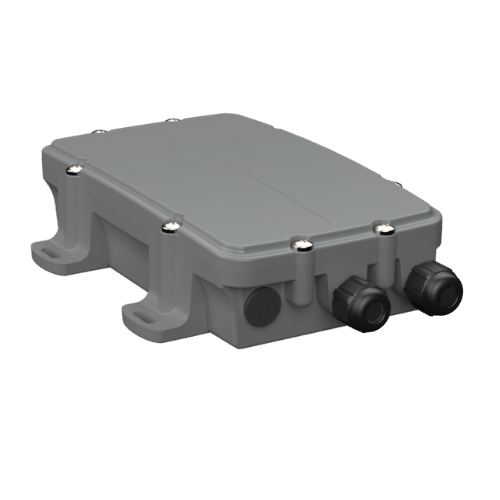
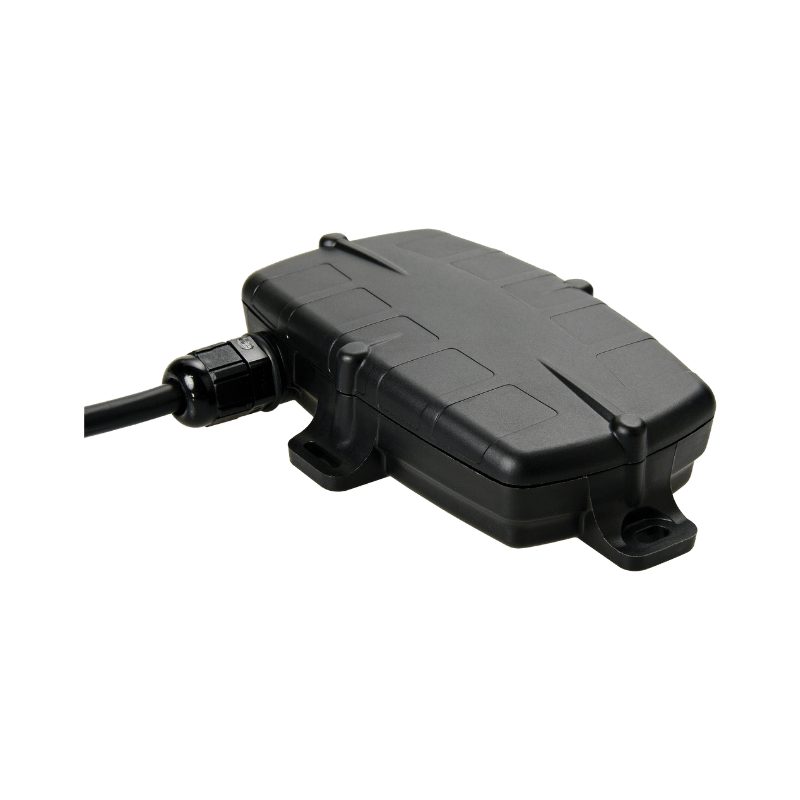
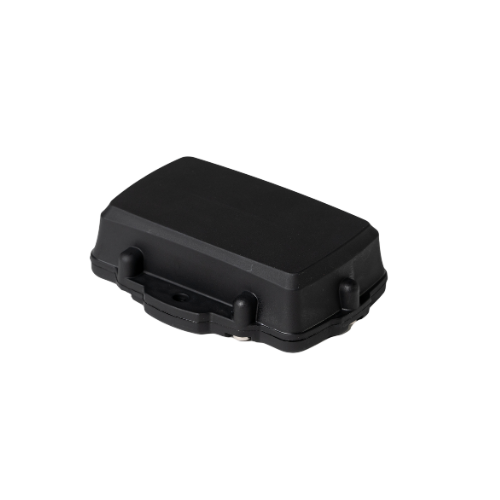
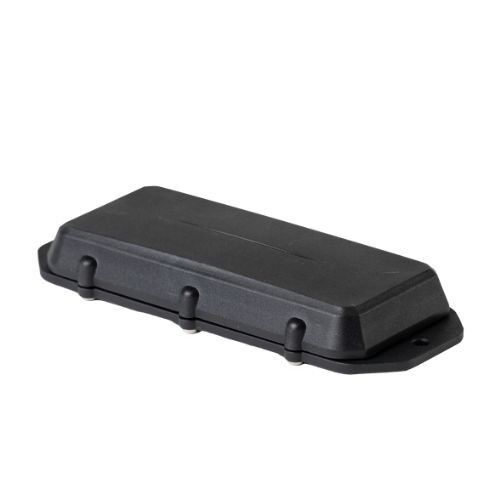
Different assets require different hardware. Rather than comparing these devices on purchase price alone, consider how their power source, battery capacity, positioning technology and connectivity suit the intended deployment.
29 Products
Wired
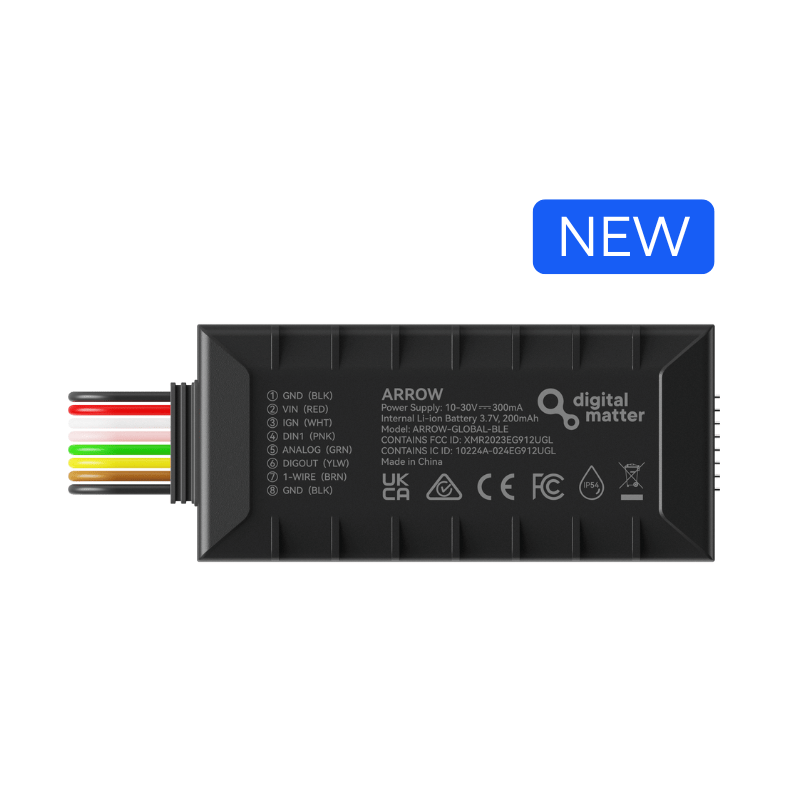
Arrow Global BLE
4G LTE Cat 1bis 2G
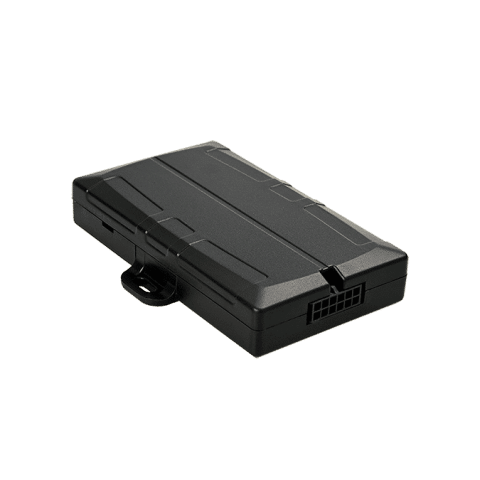
Wired high-precision GPS tracker and Bluetooth® Gateway with flexible I/O options for vehicle and fleet management and wireless sensor monitoring.
Battery-Powered
Barra Core
NB-IoT
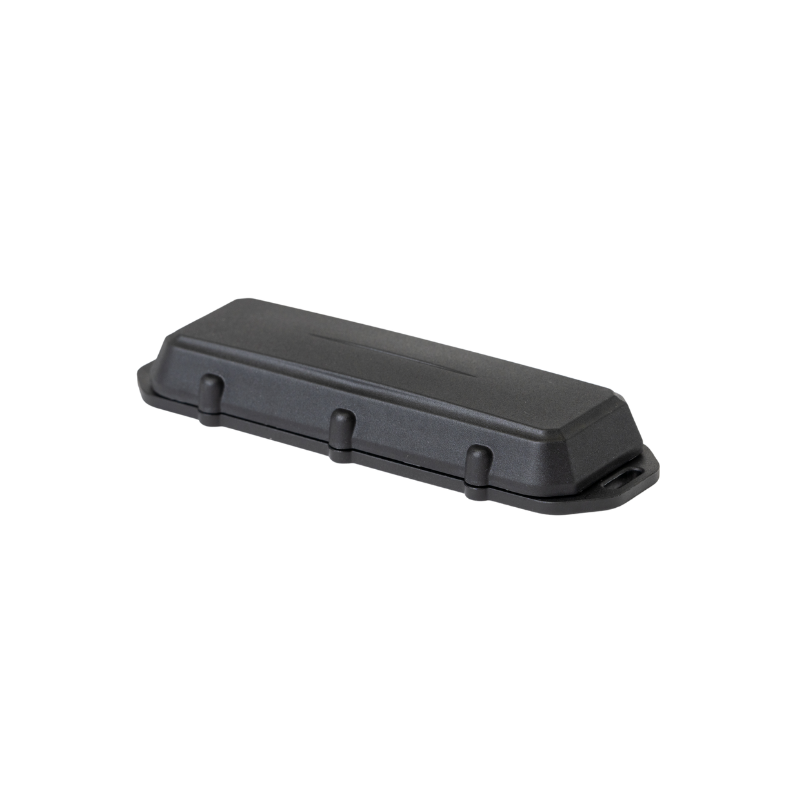
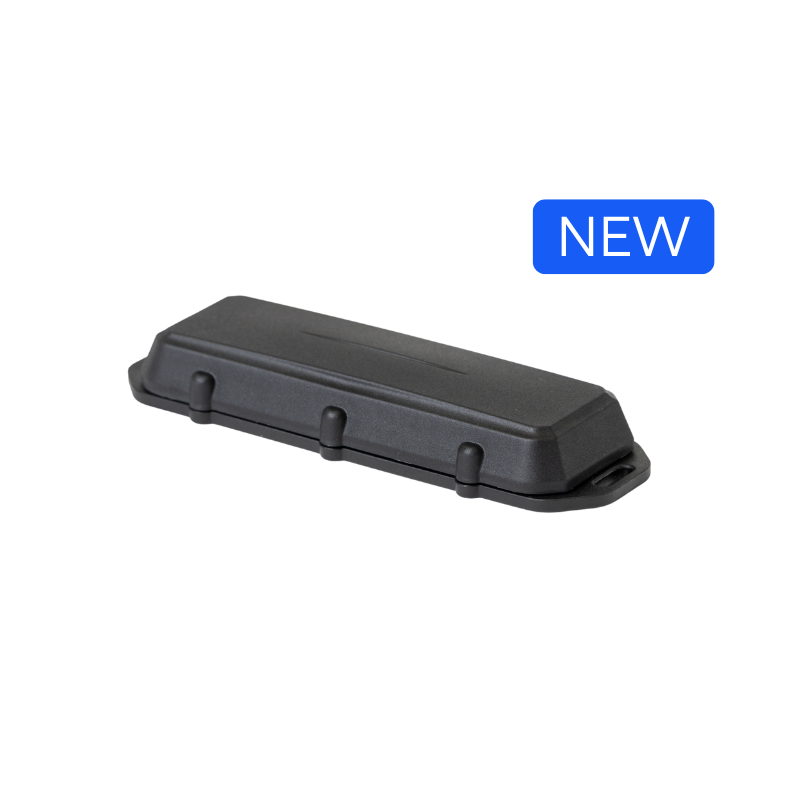
Compact and rugged battery-powered asset tracker with magnetic activation and tamper detection for ultra-low-cost indoor/outdoor visibility.
Battery-Powered
Barra Edge
LTE-M (Cat-M1) NB-IoT
Compact and rugged battery-powered GPS tracker with magnetic activation and tamper detection for cost-effective indoor/outdoor asset tracking.
Battery-Powered
Barra Fusion Cat 1bis
4G LTE Cat 1bis
Compact and rugged battery-powered GPS tracker with 4G Cat 1bis connectivity for cost-effective indoor/outdoor asset tracking.
Battery-Powered
Barra GPS
LTE-M (Cat-M1) NB-IoT
Compact and rugged battery-powered GPS tracker with magnetic activation and tamper detection for cost-effective outdoor asset tracking.
Battery-Powered
Barra Radar BLE
Bluetooth®
Battery-powered Bluetooth® radar sensor with millimeter-level precision for level and object detection.
OBDII
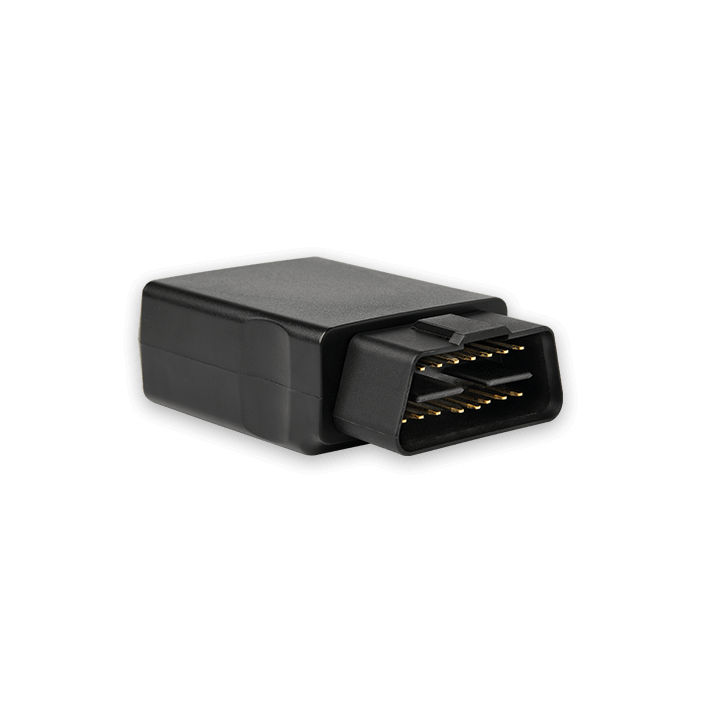
Bolt2
LTE-M (Cat-M1) NB-IoT
OBDII-powered GPS tracker with back-up battery for plug-and-play fleet and vehicle tracking.
OBDII Wired
Dart3 BLE
LTE-M (Cat-M1) NB-IoT Bluetooth®
Wired GPS tracker and Bluetooth® Gateway with flexible I/O options for vehicle and fleet management and wireless sensor monitoring.
Battery-Powered
DM Dot Glow
Bluetooth®
Ultra-rugged Bluetooth Low Energy beacon with long battery life and integrated LED for easy asset identification and track and trace applications.
Battery-Powered
DM Dot Sensor
Bluetooth®
Ultra-rugged Bluetooth Low Energy sensor beacon with impact, temperature, humidity, and magnet detection for track and trace applications.
Battery-Powered
DM Dot Tag
Bluetooth®
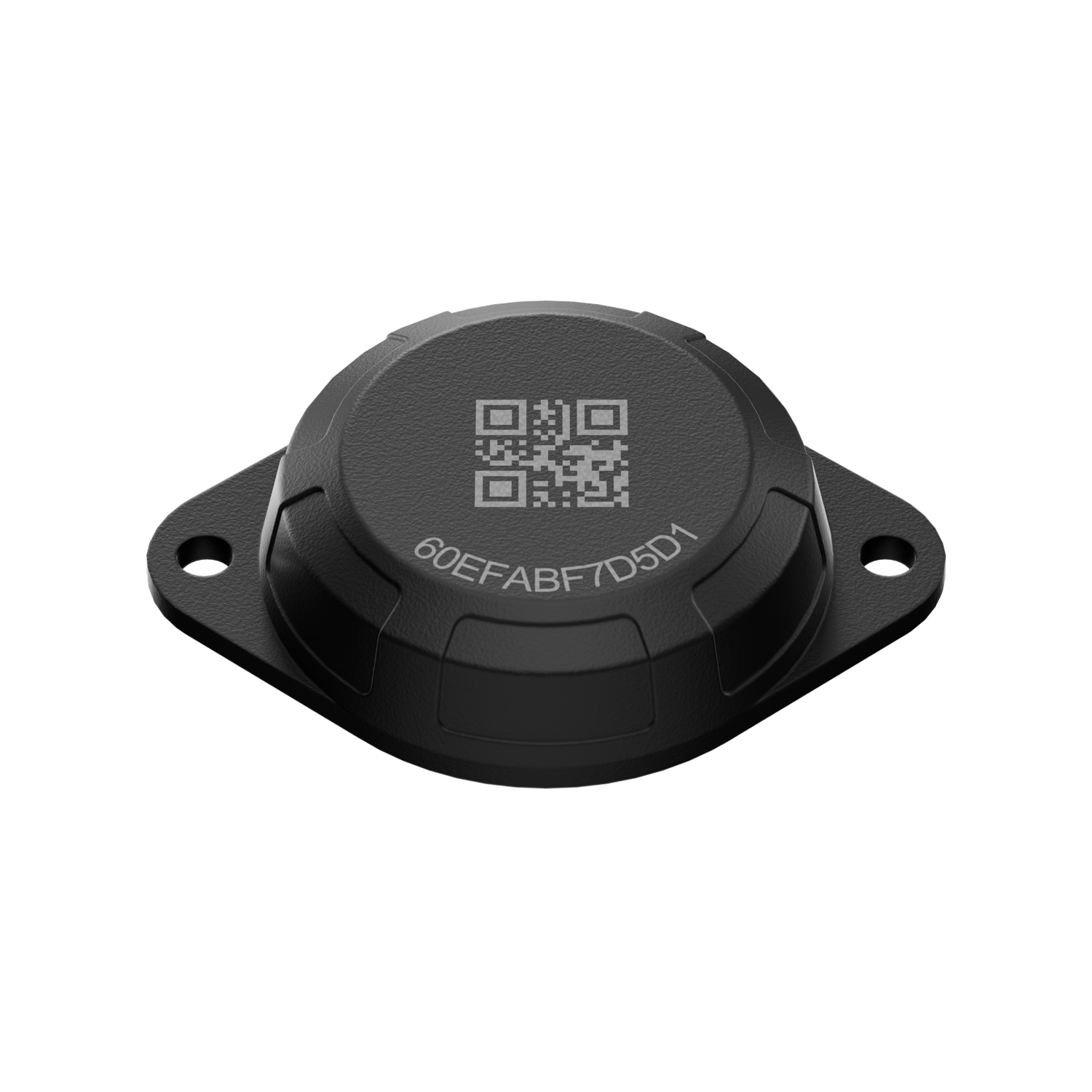
The DM DOT Tag is an ultra-rugged Bluetooth Low Energy beacon designed for long-life, wire-free track and trace applications.
Wired
G150
2G 4G LTE Cat 1bis Iridium Satellite Bluetooth®
Rugged wired GPS tracker with Bluetooth® Gateway, extensive I/Os, global 4G/2G connectivity, and optional Iridium Satellite for critical or out-of-coverage deployments.
Wired
G70 BLE
LTE-M (Cat-M1) NB-IoT Bluetooth®
Rugged wired GPS tracker and Bluetooth® Gateway with flexible I/O options for fleet, vehicle, and equipment management in harsh environments and wireless sensor monitoring.
Battery-Powered
Griffin Air
4G LTE Cat 1bis Bluetooth® 2G
The Griffin Air is an airline-certified GPS tracker built for cargo and supply chain applications, combining automatic flight detection, global 4G connectivity, and 7+ year battery life in a rugged, compact device that tracks assets seamlessly from air to ground.
Battery-Powered Wired
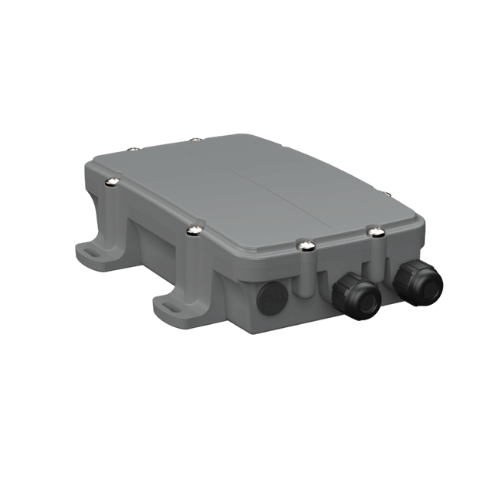
Hawk Pro
LTE-M (Cat-M1) NB-IoT Bluetooth®
The Hawk Pro is a robust plug-and-play IoT data logger and sensor hub designed to support an extensive range of sensor integrations.
Battery-Powered
Manta Fusion
LTE-M (Cat-M1) NB-IoT Bluetooth®
Rugged battery-powered GPS tracker and Bluetooth® Gateway with magnetic activation and tamper detection for asset tracking and wireless condition monitoring.
Battery-Powered
Manta GPS
LTE-M (Cat-M1) NB-IoT
Rugged battery-powered GPS tracker for high-precision outdoor asset tracking.
Battery-Powered
Oyster Edge
LTE-M (Cat-M1) NB-IoT Bluetooth®
Rugged battery-powered GPS tracker and Bluetooth® Gateway for asset tracking and wireless condition monitoring.
Battery-Powered
Oyster3 BLE
LTE-M (Cat-M1) NB-IoT Bluetooth®
Rugged battery-powered GPS tracker and Bluetooth® Gateway for asset tracking and wireless condition monitoring.
Battery-Powered
Oyster3 Global
2G 4G LTE Cat 1bis
Rugged battery-powered GPS tracker with 4G/2G connectivity for global asset visibility.
Battery-Powered
Oyster3 GPS
LTE-M (Cat-M1) NB-IoT
Rugged battery-powered GPS tracker for high-precision outdoor asset tracking.
Battery-Powered
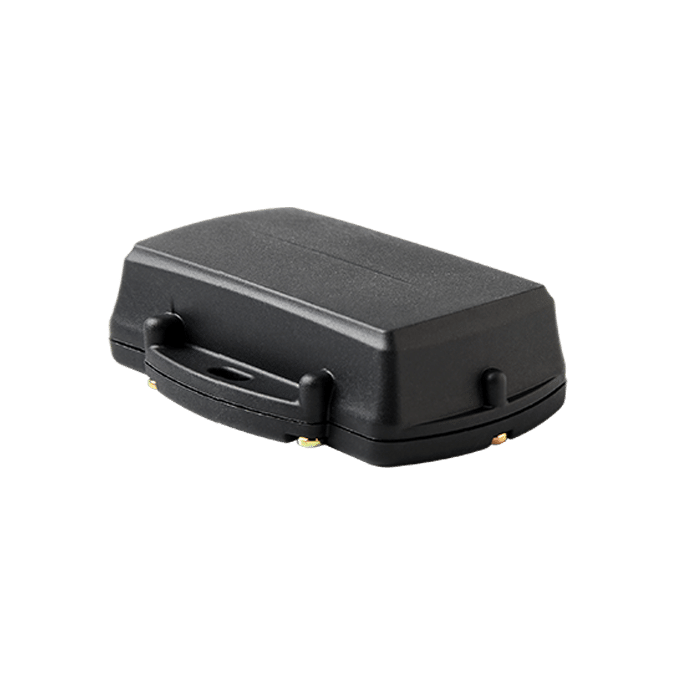
Oyster3 LoRaWAN®
LoRaWAN®
Rugged battery-powered GPS tracker for high-precision outdoor asset tracking on LoRaWAN networks.
Battery-Powered
Remora3
LTE-M (Cat-M1) NB-IoT Bluetooth®
Rugged GPS tracker and Bluetooth® Gateway with the longest battery life on the market for asset tracking and wireless condition monitoring.
Battery-Powered
Remora3 Global
2G 4G LTE Cat 1bis Bluetooth®
Rugged GPS tracker and Bluetooth® Gateway with 4G/2G connectivity for global asset tracking and wireless condition monitoring.
Battery-Powered
Wi-Fi Beacon
Easy to deploy, battery-powered WiFi beacon for improved indoor tracking accuracy.
Battery-Powered
Yabby Edge Cellular
LTE-M (Cat-M1) NB-IoT
Compact and rugged battery-powered GPS tracker for indoor/outdoor asset tracking.
Battery-Powered
Yabby Edge LoRaWAN®
LoRaWAN®
Compact and rugged battery-powered GPS tracker for indoor/outdoor asset tracking on LoRaWAN networks.
Battery-Powered
Yabby3
LTE-M (Cat-M1) NB-IoT
Compact and rugged battery-powered GPS tracker for reliable outdoor asset tracking.
Battery-Powered
Yabby3 LoRaWAN®
LoRaWAN®
Compact and rugged battery-powered GPS tracker for outdoor asset tracking on LoRaWAN networks.
Commercial GPS tracking pricing makes more sense when you start with the application rather than the device.
Asset type, power availability, deployment geography, reporting frequency, sensor requirements, fleet size, software platform and integration needs all help determine which hardware provides the best value. These are also the main inputs needed before an accurate commercial quote can be developed.
Whether you need a basic asset tracker, a fleet tracking system, or hardware supporting advanced condition monitoring and global connectivity, Digital Matter can help match the technology to your operational requirements.
Explore our knowledge base for getting started guides, technical documentation, certifications, and more.